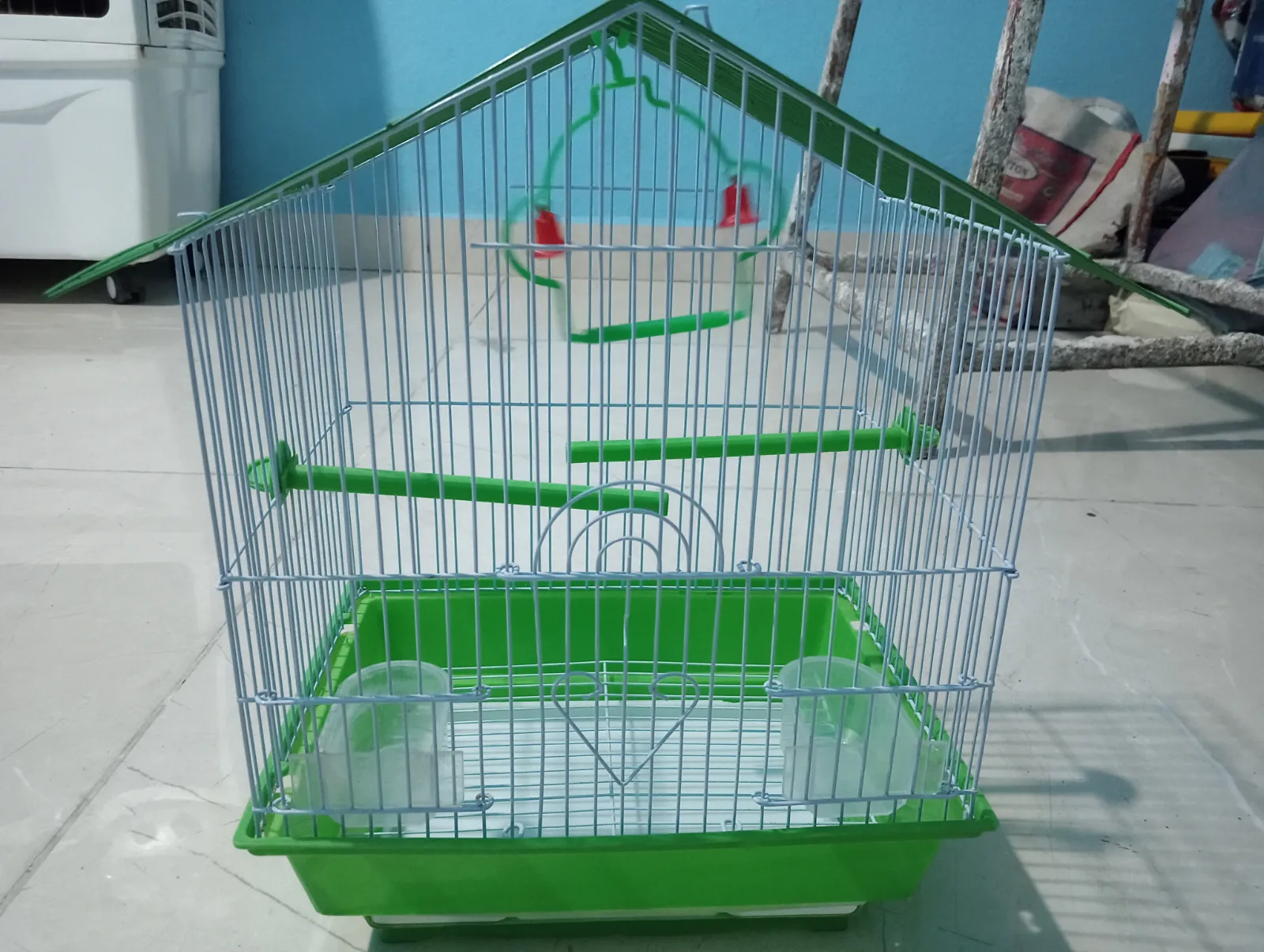
Everyday pet gear sits in this band: beds and mats, bowls and feeders, leashes, collars and harnesses, small cages and carriers, grooming tools, toys and training aids. Most of it is sold because a pet outgrew it or a household changed, not because anything is wrong with it.
This category is for supplies and equipment only. Live animals are not listed or sold here.
Cleaning is the first question
Ask how the item was cleaned and disinfected, and whether the previous pet had any illness — a responsible seller will answer both without hesitation. Anything fabric should be washable; if a bed cover does not come off, it is much harder to clean properly and worth less. Plan to wash or disinfect everything again yourself before use, whatever you are told.
Fit matters more than size labels
Pet gear is bought for a specific animal, so ask for real measurements rather than "medium". On collars and harnesses, ask for the adjustable range in centimetres and check the buckles and stitching at the stress points. On beds, ask for the internal dimensions. On carriers and small cages, ask for internal length, width and height, and the weight range the item is rated for.
What to inspect
- Chew damage on plastic edges, bars and fabric — common, and it weakens the item where it matters.
- Buckles, clips and zips — test each one. A failing clip on a harness or carrier is a safety problem, not a cosmetic one.
- Cage and crate doors — check the latch holds properly and the door is not bent.
- Trays and bases — confirm the tray is present and not cracked; replacements are often unavailable separately.
- Bowls and feeders — check for deep scratches, which hold bacteria, and cracks.
Food and consumables
Only unopened, in-date food and unused treats should be bought or sold, and you should see the expiry date before paying. Do not buy or sell medicines or veterinary prescription items.
Collecting
Meet in a public place for small items, inspect everything before paying, and pay on collection. Our safety tips cover the basics.