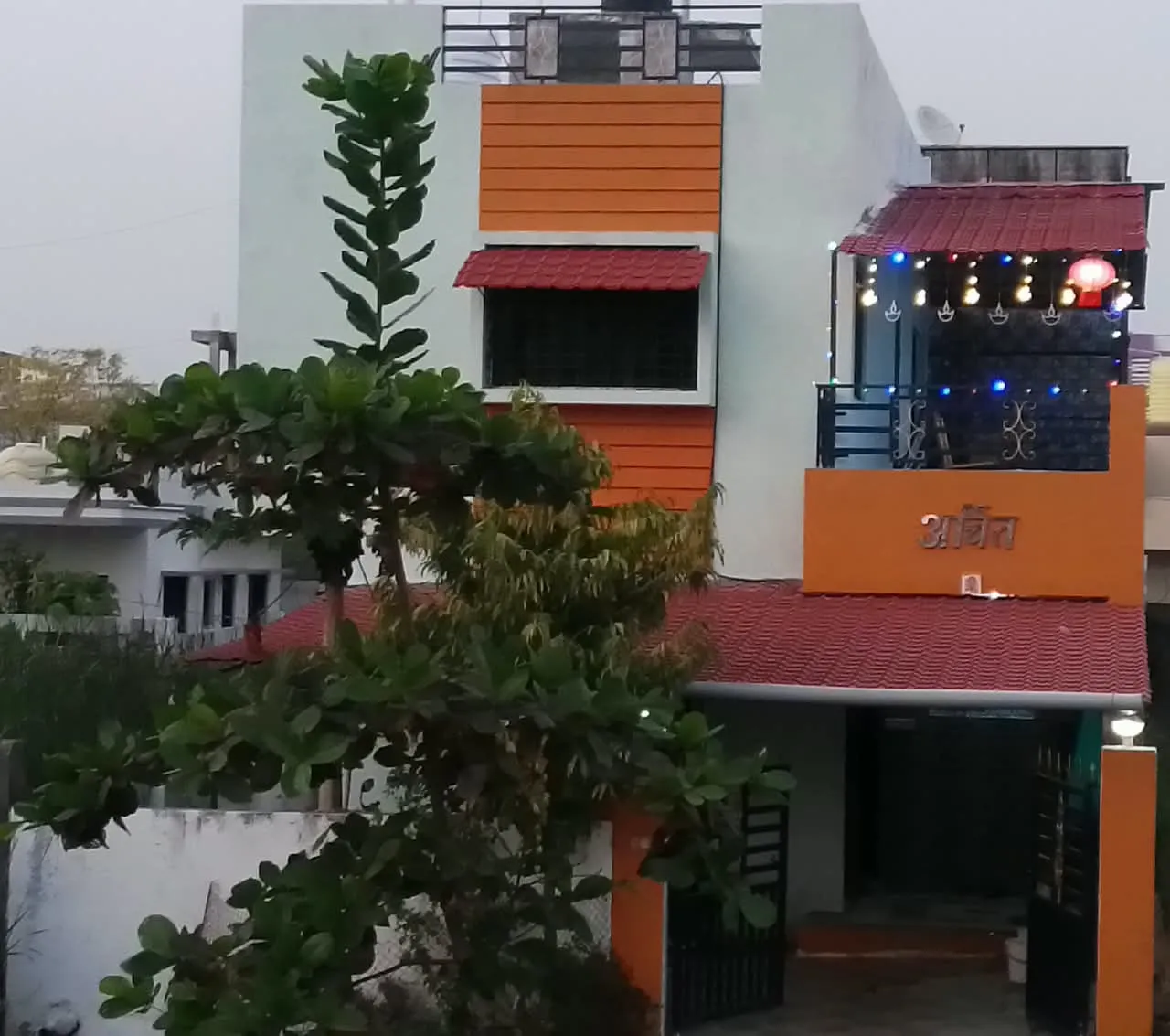
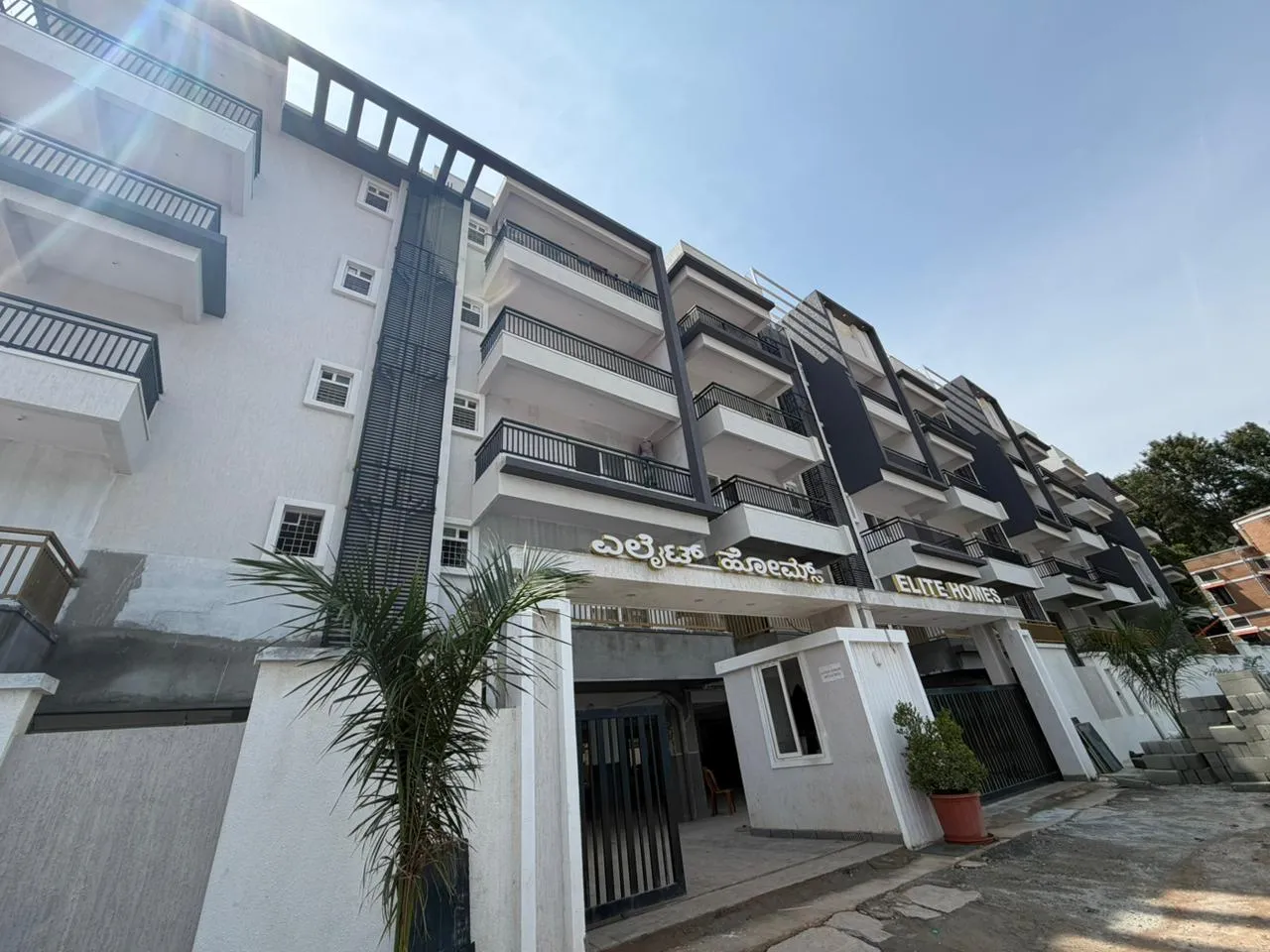
Browse resale flats, independent houses, villas and plots listed by owners across India. Buying a second hand home directly from the owner lets you see how the property and the society actually are, and to talk to the person who holds the papers.
Olditems only connects buyers and sellers. It does not verify property documents, handle payments or act as a broker, so every check below is yours to do — with a lawyer.
Documents to see before anything else
- Title deed and chain of ownership. Ask for the current sale deed and the earlier deeds that show how the property passed from owner to owner. Gaps, missing links or disputed inheritance are red flags.
- Encumbrance certificate (EC). Issued by the sub-registrar's office, it shows registered mortgages and transactions on the property. Check it covers a long period and is recent.
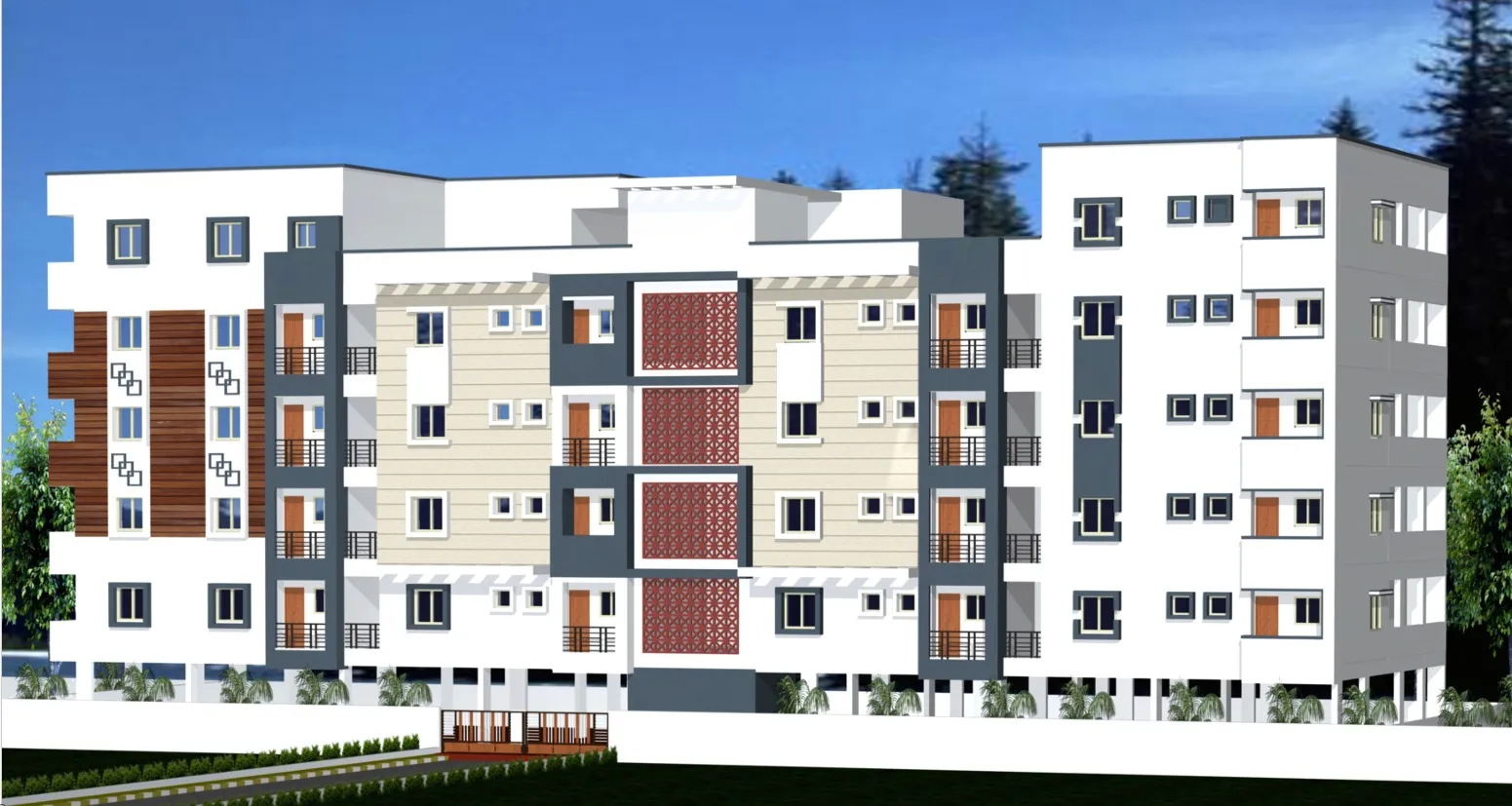
- RERA registration. For flats in newer projects, check the project on your state RERA website and compare the approved plans with what is built.
- Occupancy (OC) and completion certificate (CC). These show the building was completed as per the approved plan. Many banks will not lend without them.
- Approved layout and land use. For plots, confirm the layout is approved by the local development authority or panchayat and the land is converted for residential use.
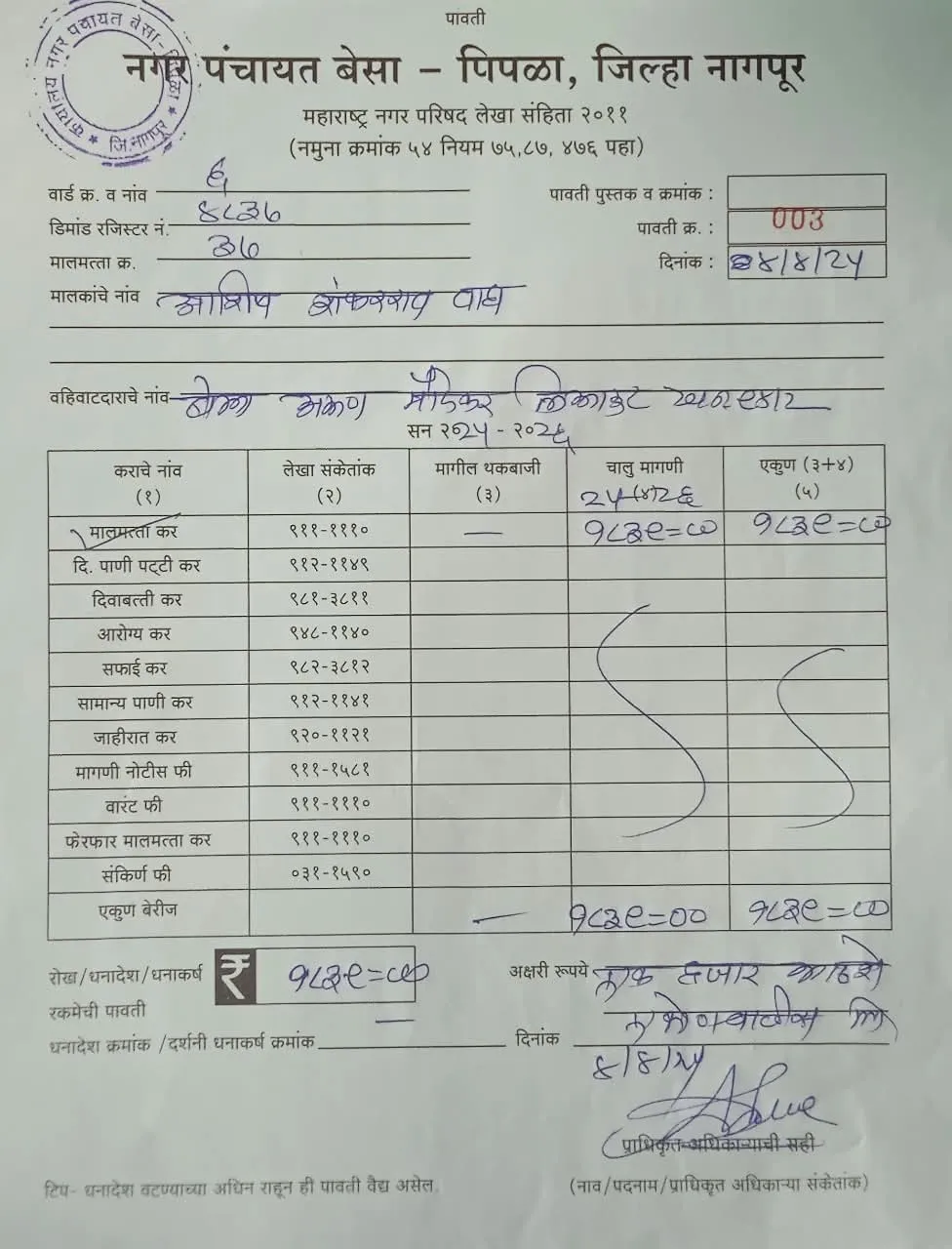
- Property tax receipts and utility bills. Receipts in the seller's name show possession and no pending dues. Check electricity, water and maintenance bills too.
- Society NOC and share certificate. For flats in a housing society, get a no-objection certificate for the sale and confirm there are no pending society dues.
Get a lawyer to verify
Hire a property lawyer to do a title search at the sub-registrar's office and give a written opinion before you sign or pay anything. If you need a home loan, your bank's own legal and technical check is a useful second opinion, and a bank refusing to fund a property is a warning in itself.
Home loan eligibility
Speak to your bank early. Lenders look at the property's approvals, age and documents as well as your income, and some will not finance unapproved layouts or buildings without OC. Knowing this before you negotiate saves you from losing a token.
Visiting and paying safely
Visit the property more than once, at different times of day, and talk to neighbours or the society office. Confirm the person selling is the owner named on the deed, with ID. Never pay a token or advance before legal verification, and never to anyone who has not shown original documents. Make every payment by bank transfer or cheque with a written receipt, and never share an OTP — read our safety tips. Register the sale at the sub-registrar's office.
Moving in? Browse used furniture, home appliances and home improvement, or see all property listings.
Selling your own flat or plot? Post a free ad and keep your documents ready for buyers.