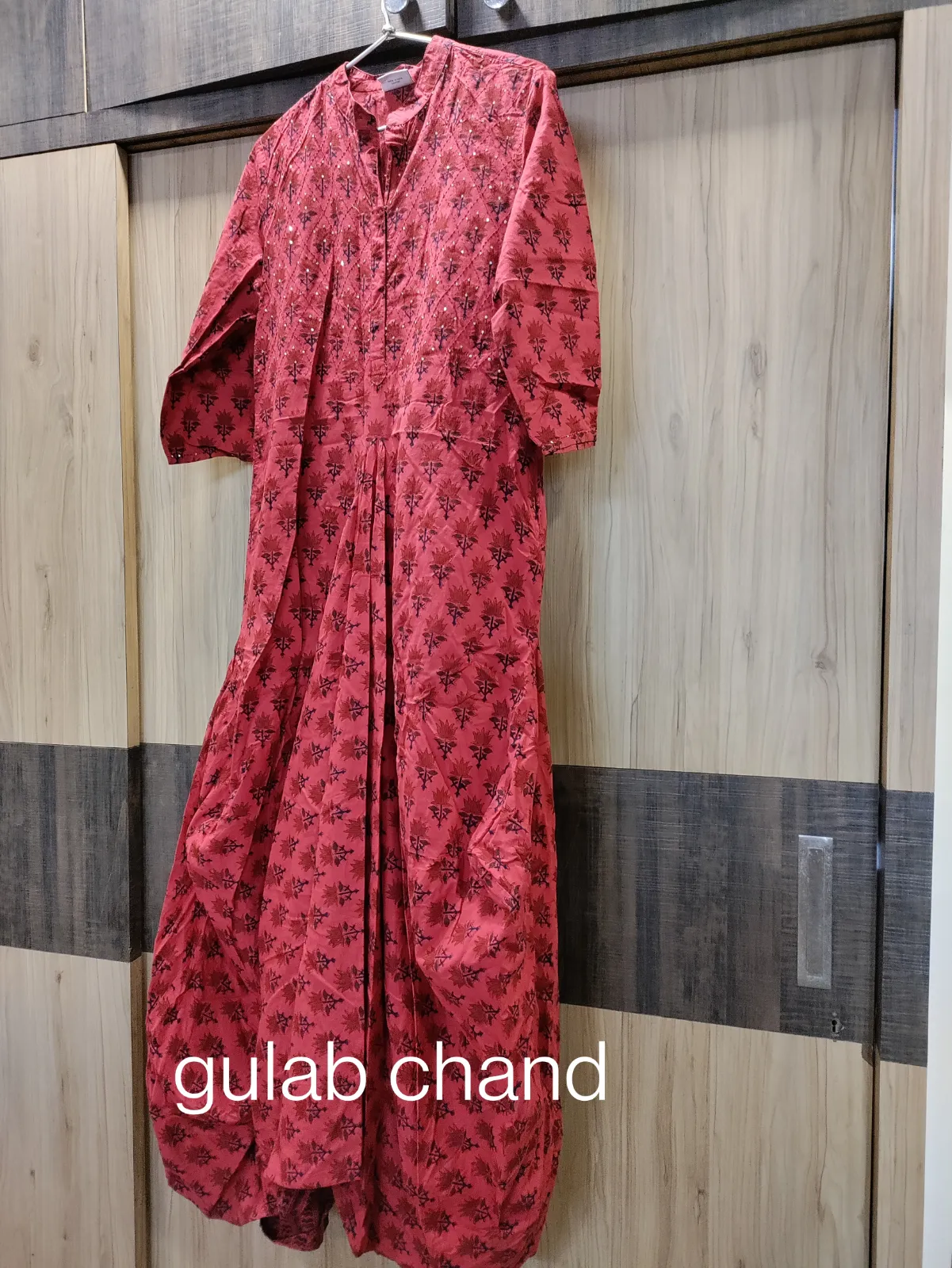
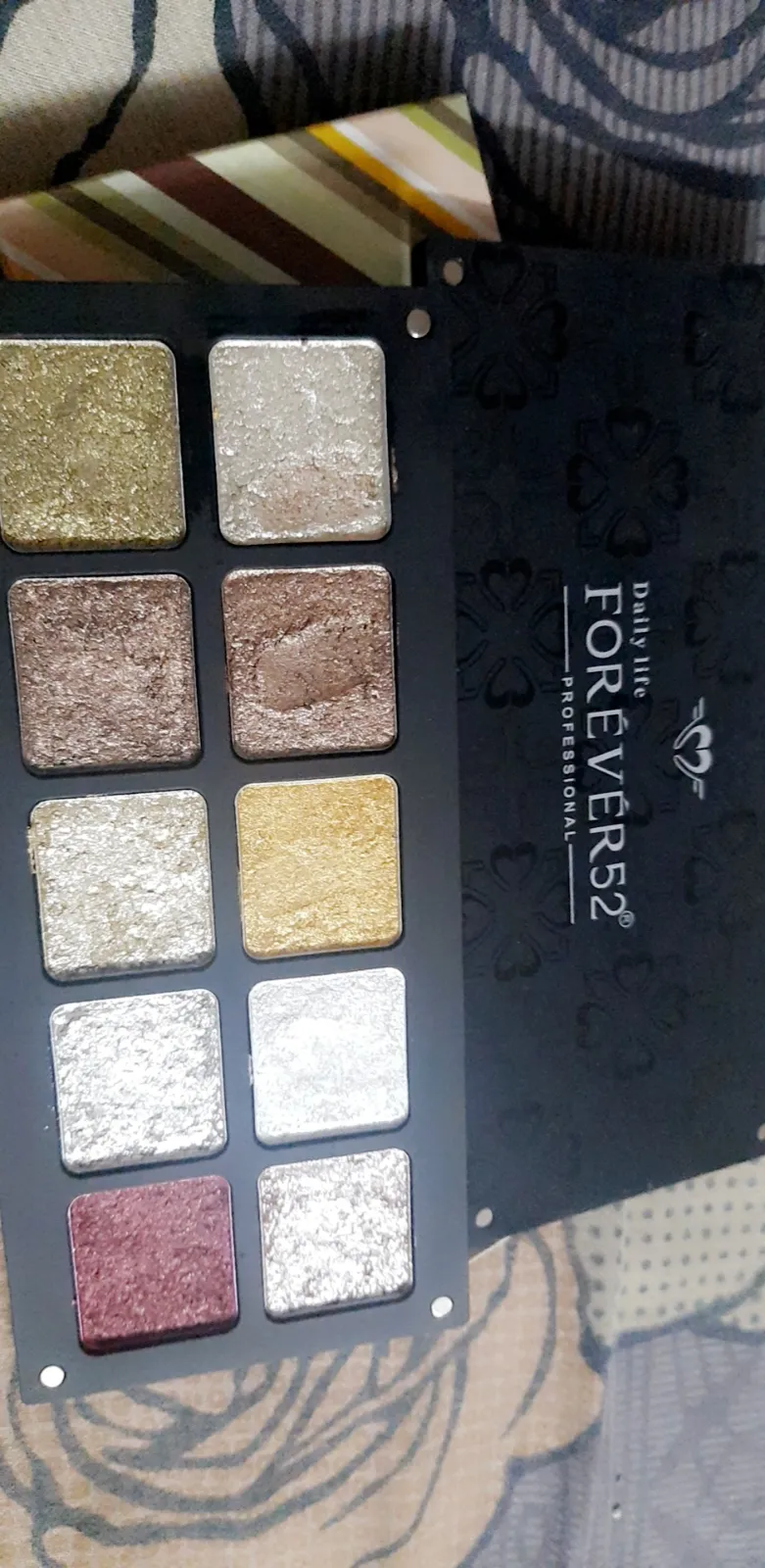
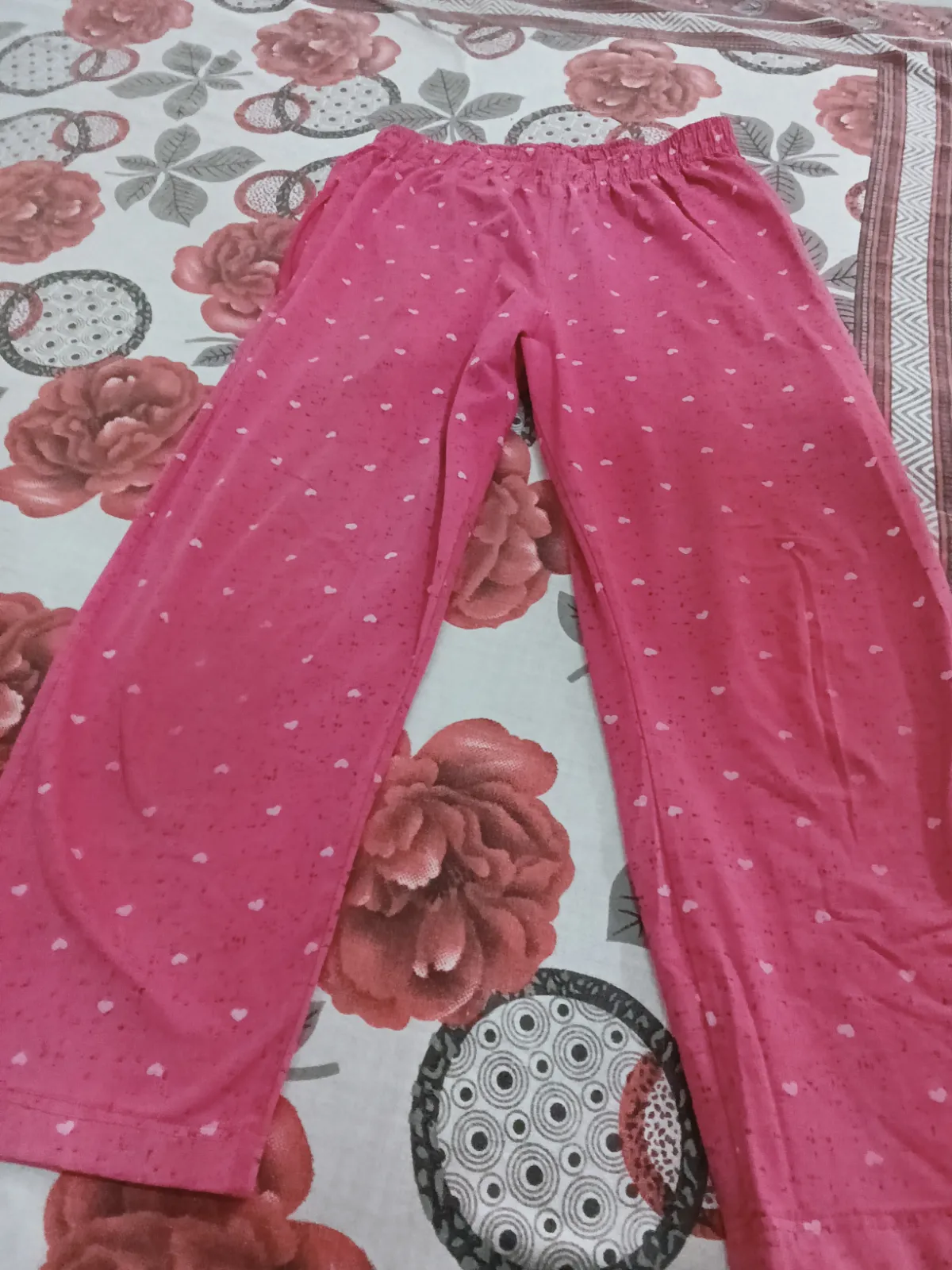
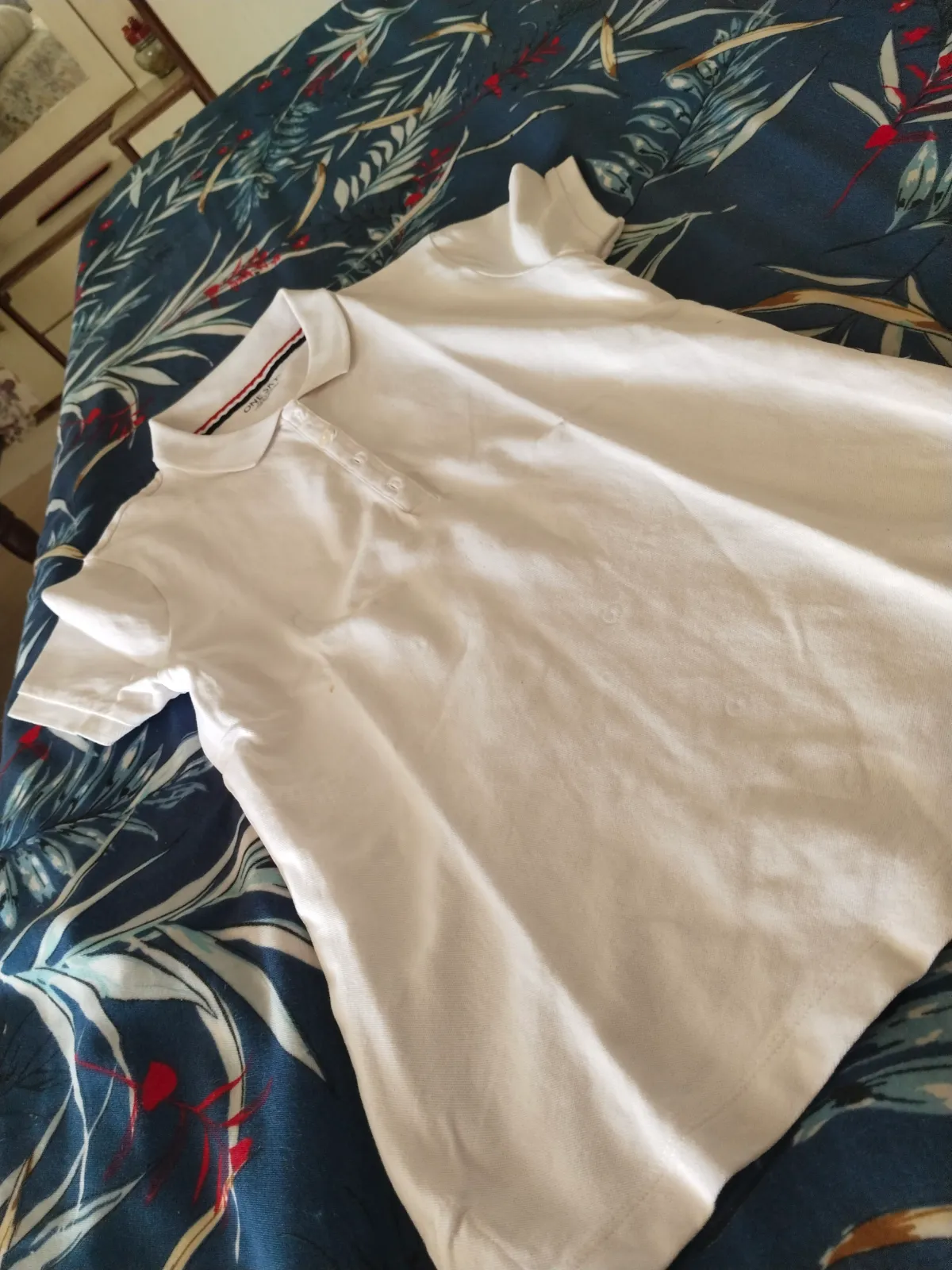
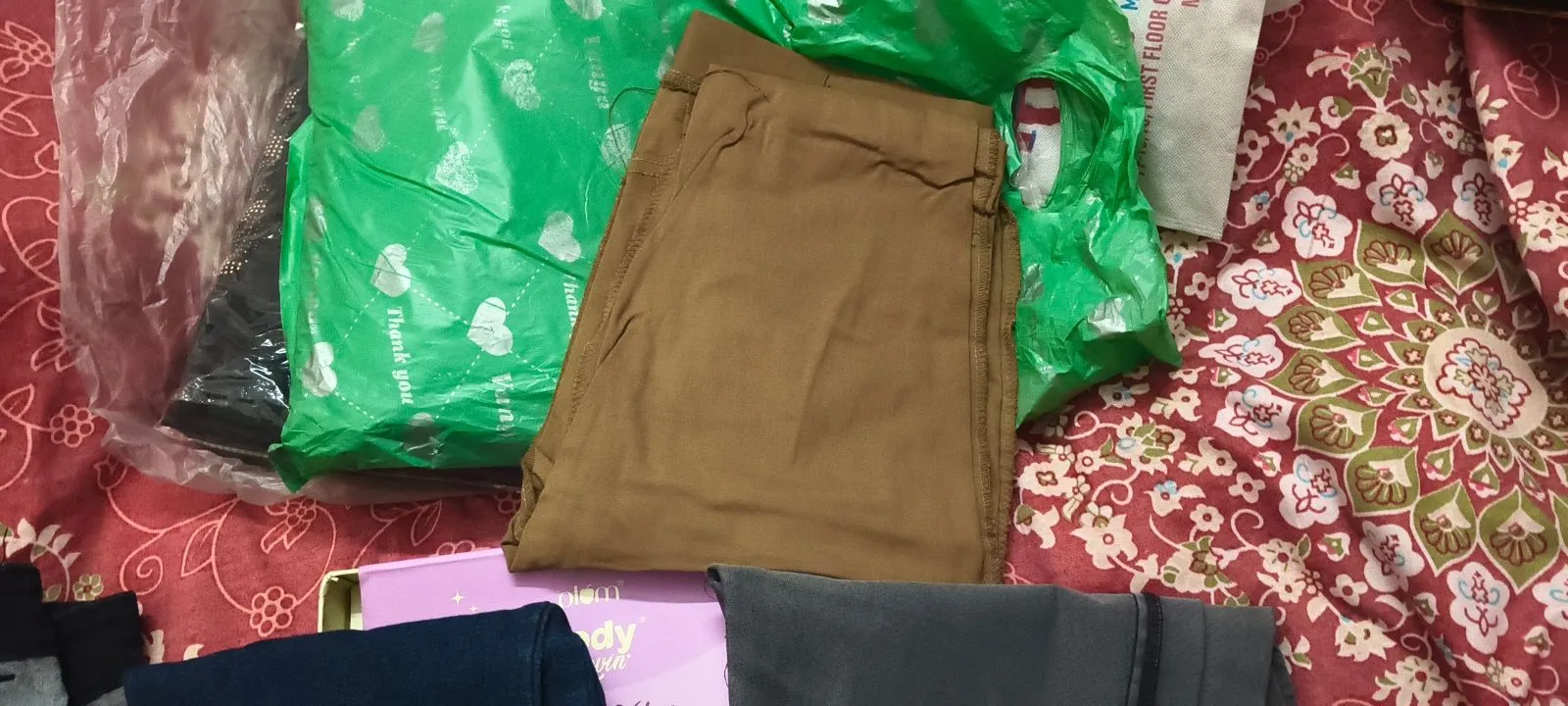
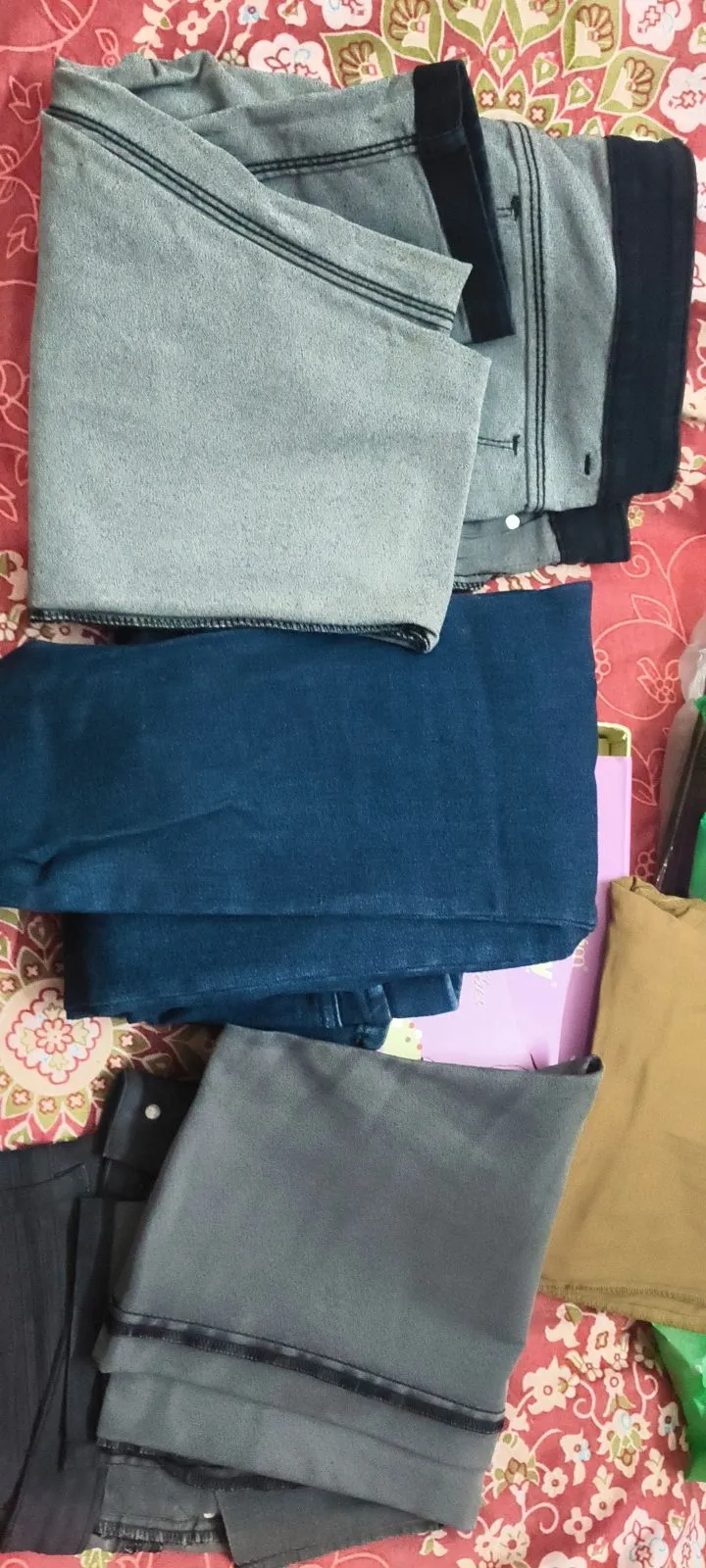
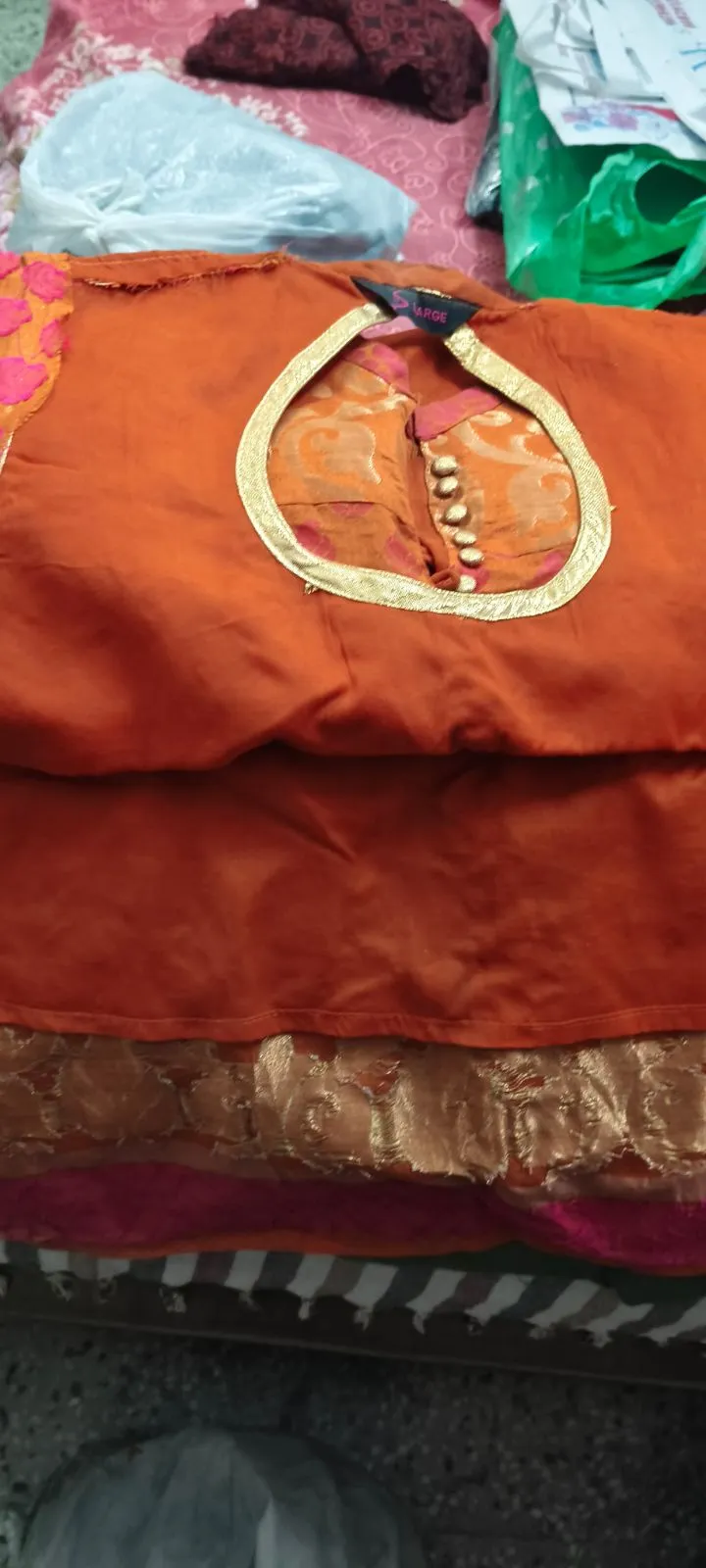
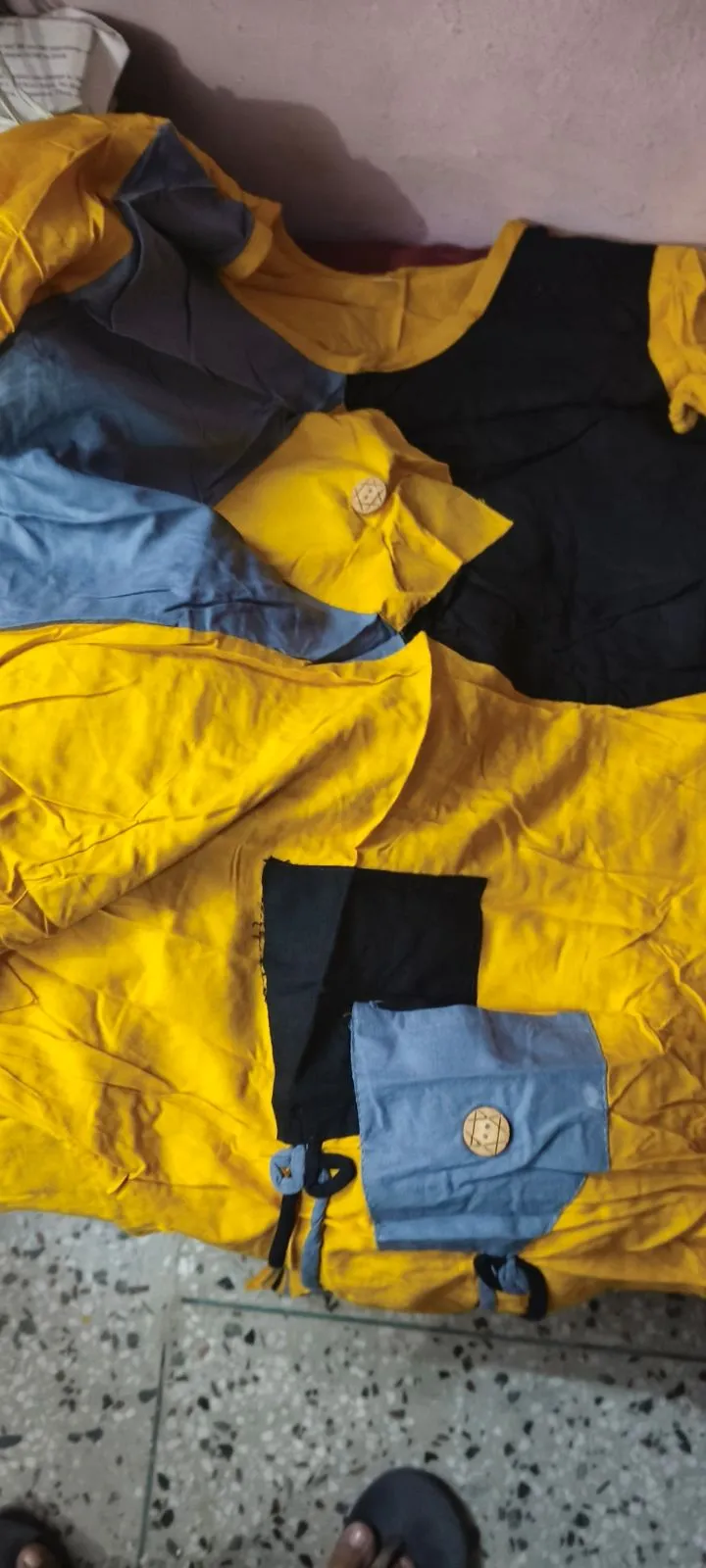
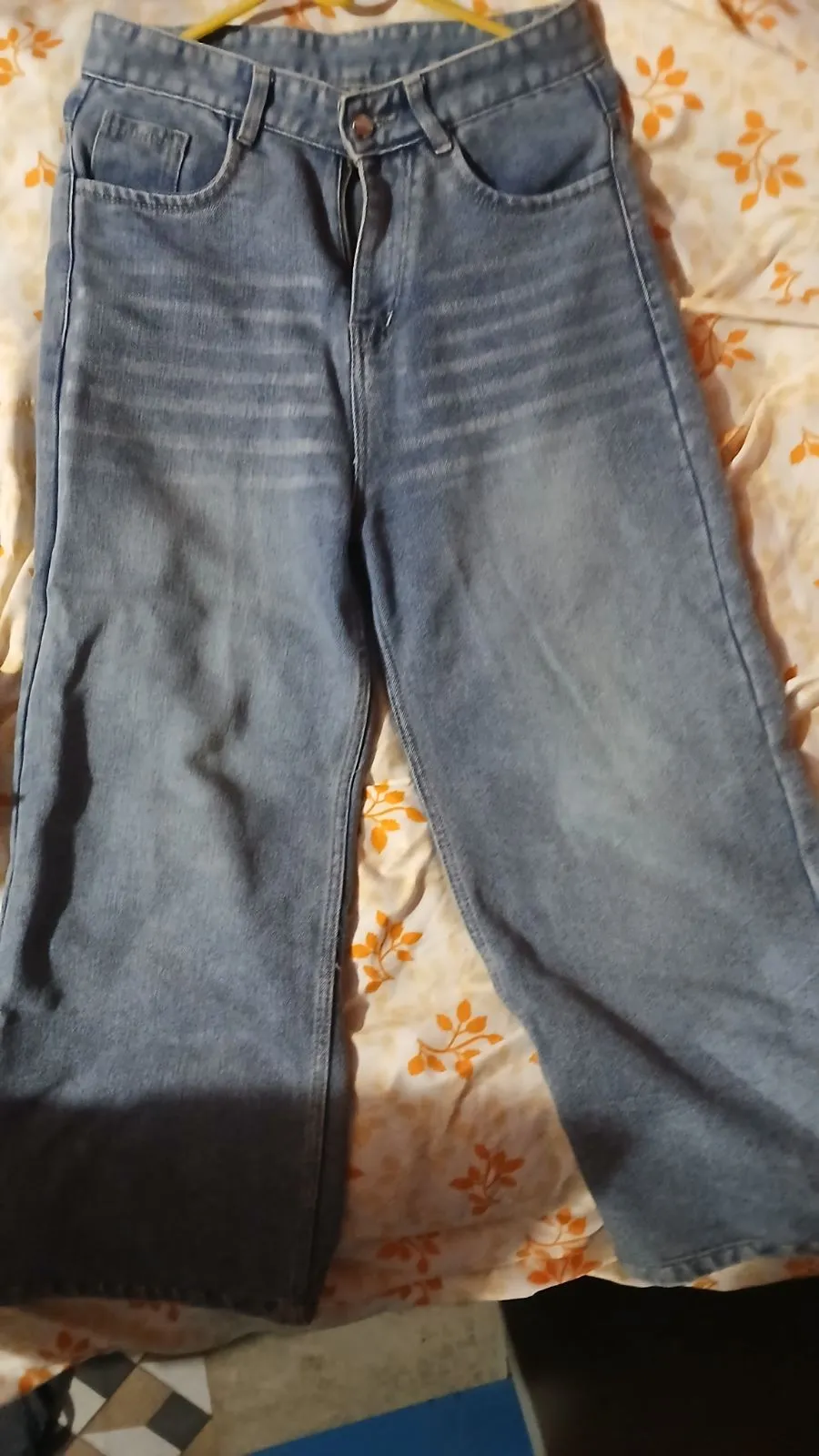
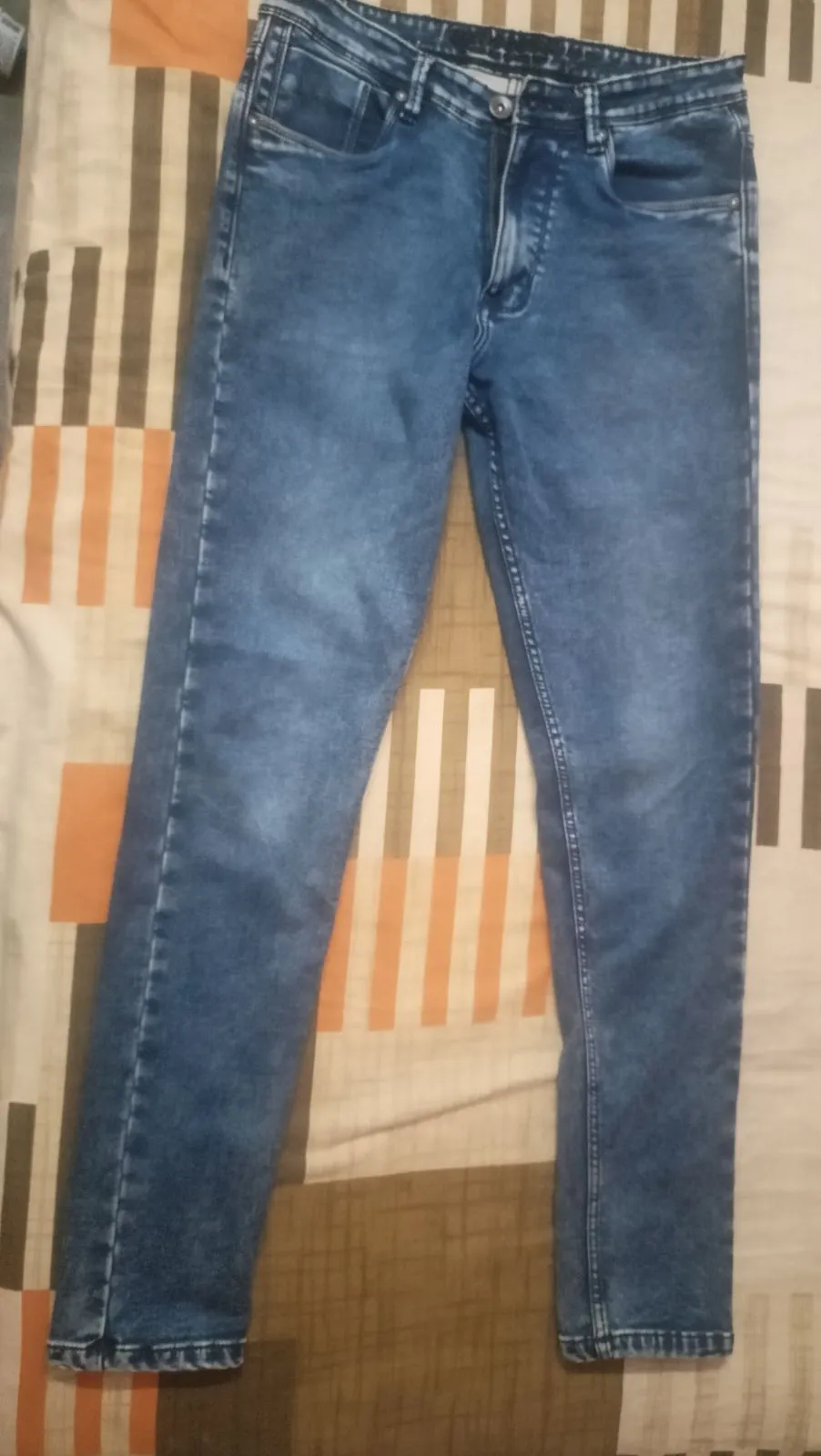
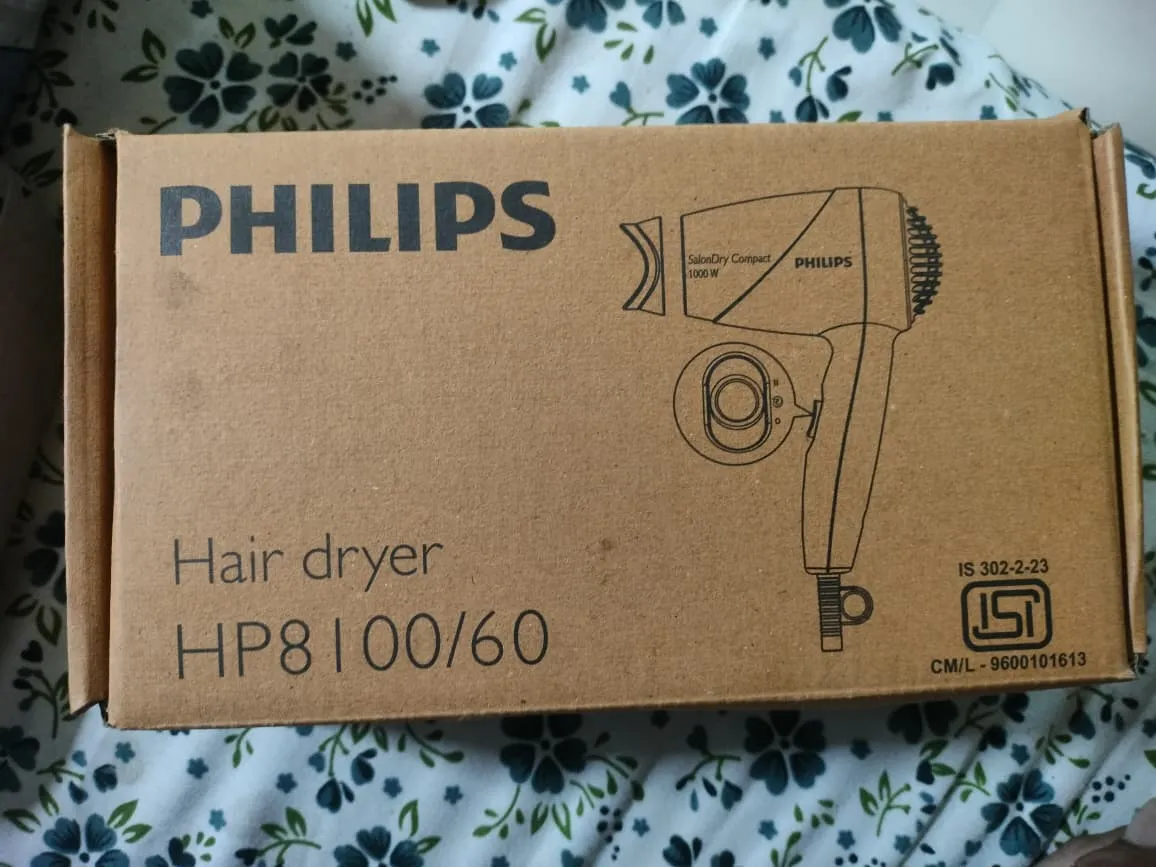
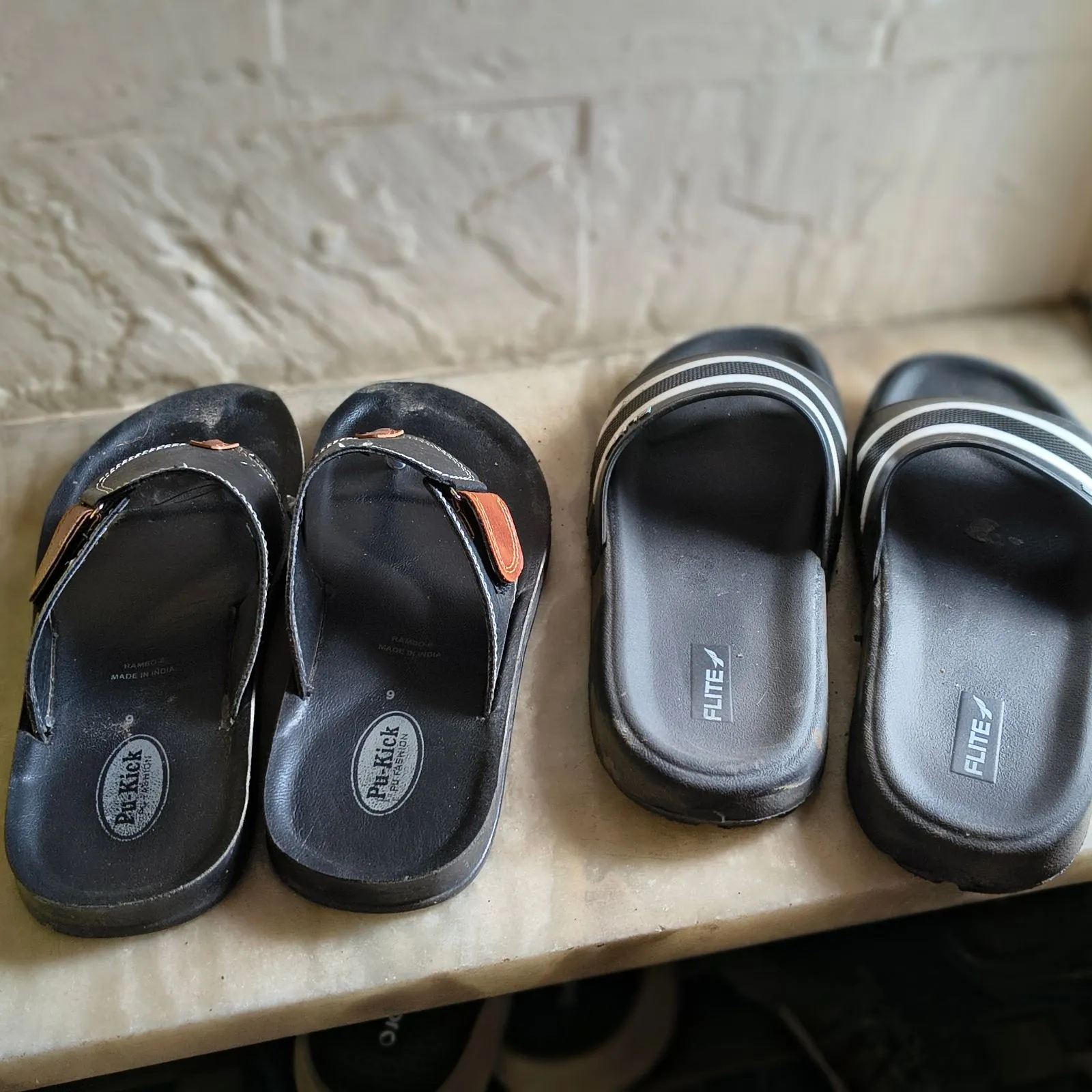
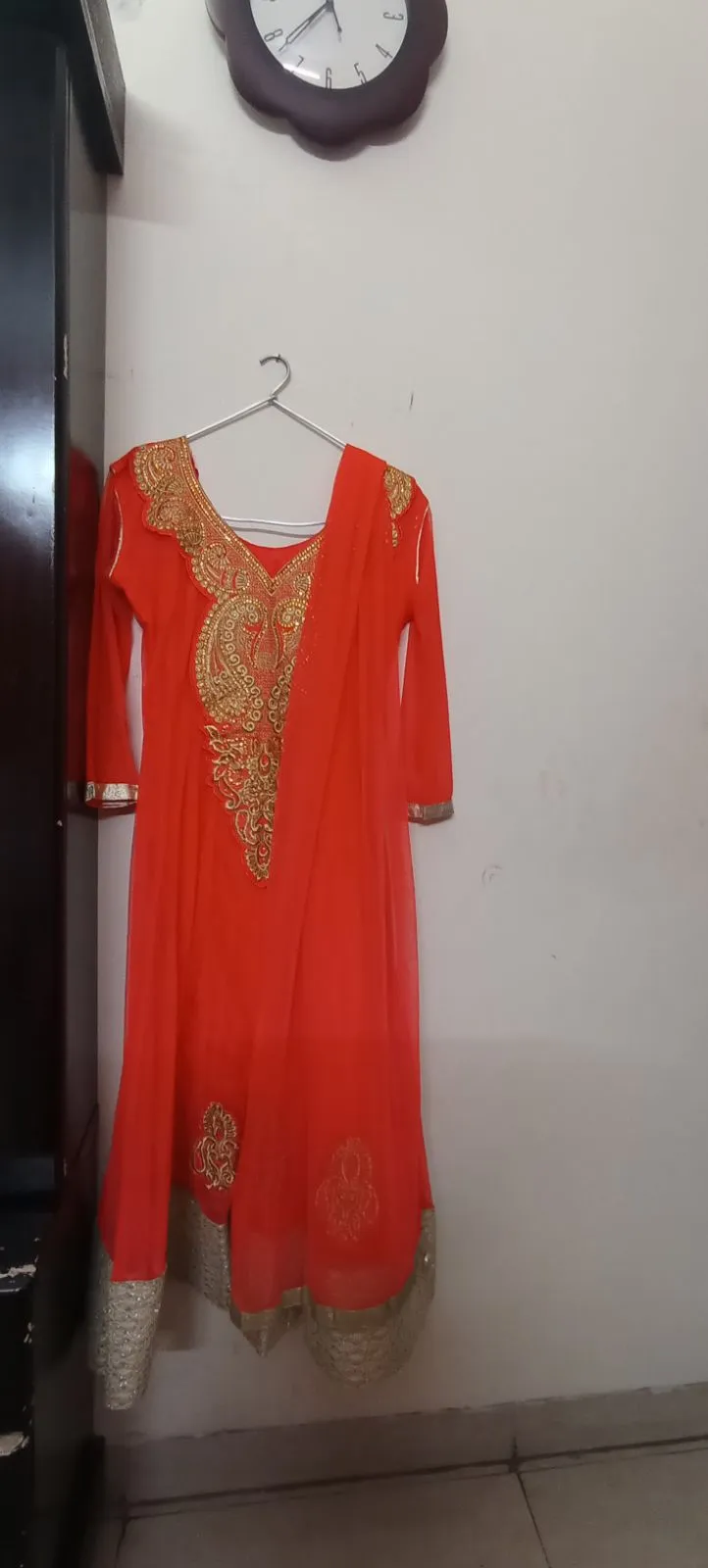
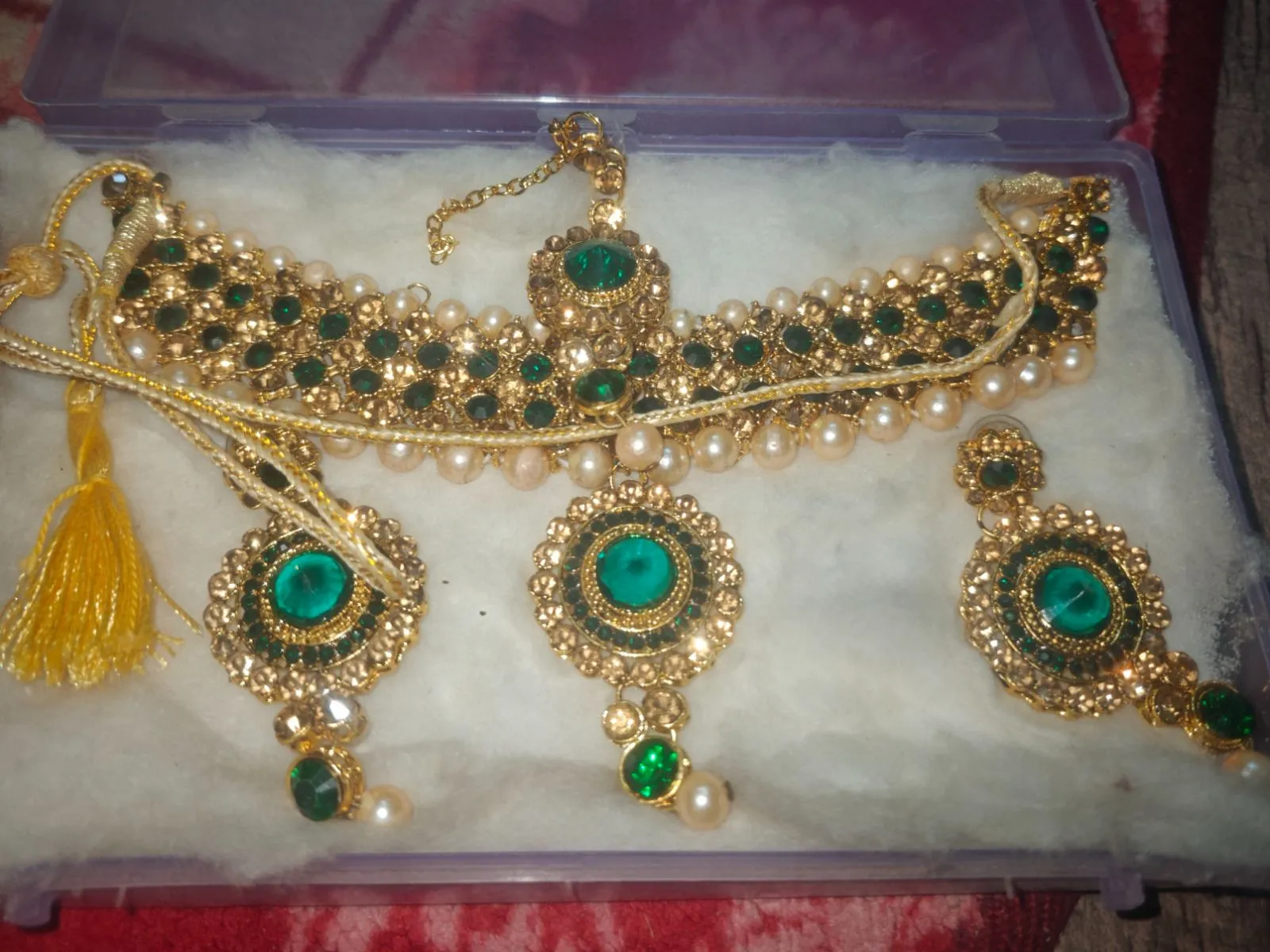
At ₹1,000 the quality steps up noticeably: branded casual wear, sneakers and formal shoes, handbags, jackets and lightly worn ethnic pieces. Many items in this band were worn only a handful of times, which makes it one of the better-value budgets in fashion.
This is where branded items start appearing
Branded clothing and footwear lose most of their value the moment they are worn, so at this price you can often buy something that cost several times as much new. If the brand matters to you, ask for the original bill, box or dust bag, and examine the stitching, hardware, labels and lining in daylight. If a seller cannot show any proof of purchase, treat the item as unbranded and price it accordingly — that is the safe assumption, and a fair one.
Footwear deserves its own checklist
- Insole length in centimetres — far more reliable than the marked size, especially across brands.
- Sole wear pattern — heavy wear on one edge tells you how the previous owner walked, and the shoe will have moulded to that.
- Sole separation — flex the shoe and look along the join. Glue failure is common in stored footwear and is hard to fix properly.
- Inside the shoe — a collapsed insole or a worn heel lining means more wear than the outside suggests.
- Leather condition — it should be supple. Stiff or powdery leather has dried out.
Clothing and ethnic wear
Ask for flat measurements — chest or bust, waist, shoulder, length — and whether the piece has been altered, since an altered garment usually cannot be let out again. On lightly worn ethnic pieces, check the borders and embroidery for missing stones and loose threads, and ask when it was last dry-cleaned. Look at underarms, collars and cuffs, and hold the fabric to the light to check for thinning.
Bags
Check the lining for tears and staining, test every zip and clasp, look at the corners and base where wear concentrates, and check the strap attachments. On leather, look for cracking and dryness. Smell the inside — a musty bag was stored damp and may have mildew in the lining.
Meeting up
Examine everything in daylight, because photographs flatter fabric and hide colour differences. Pay on collection, and never send an advance for clothing you have not seen.