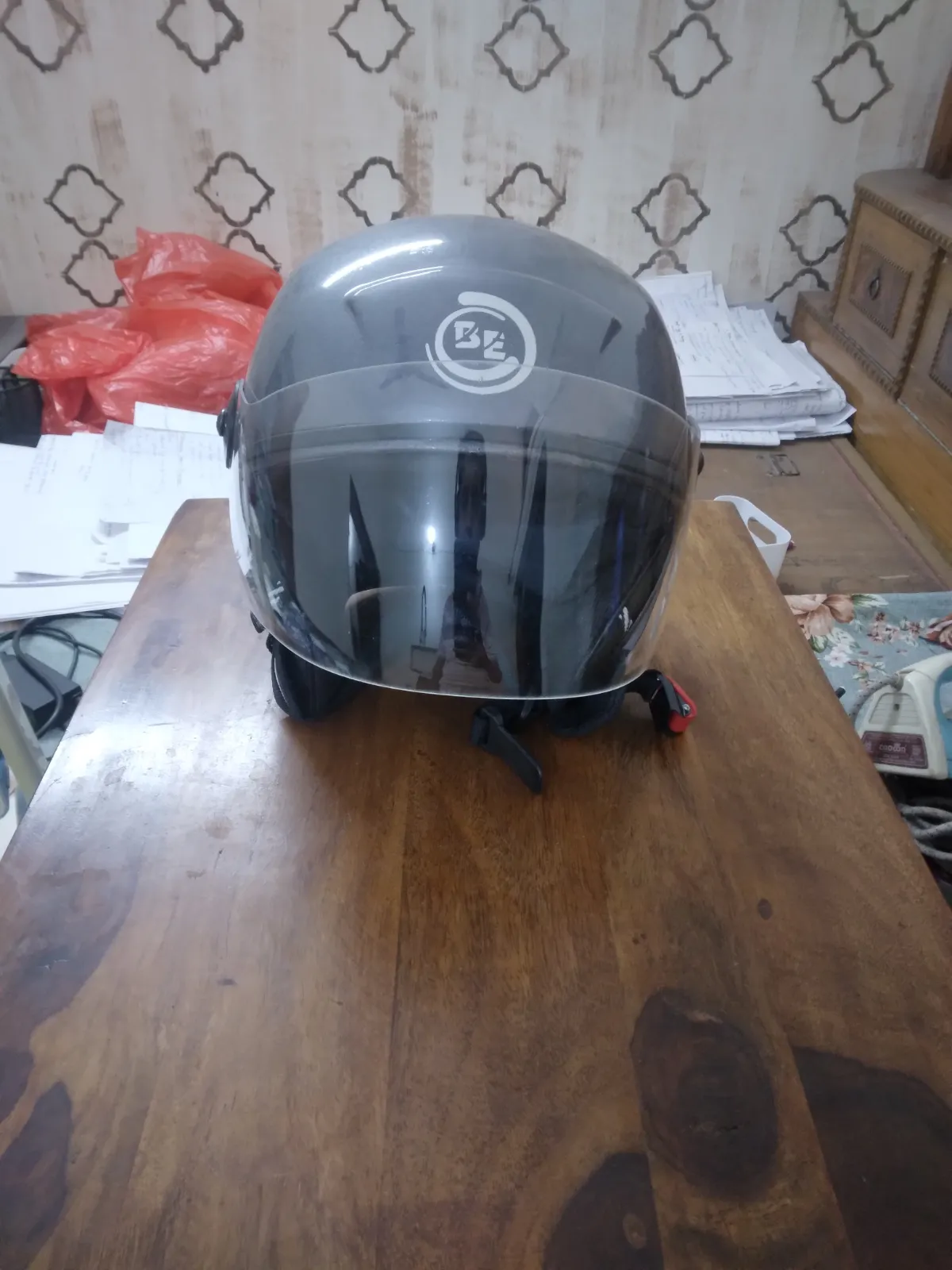
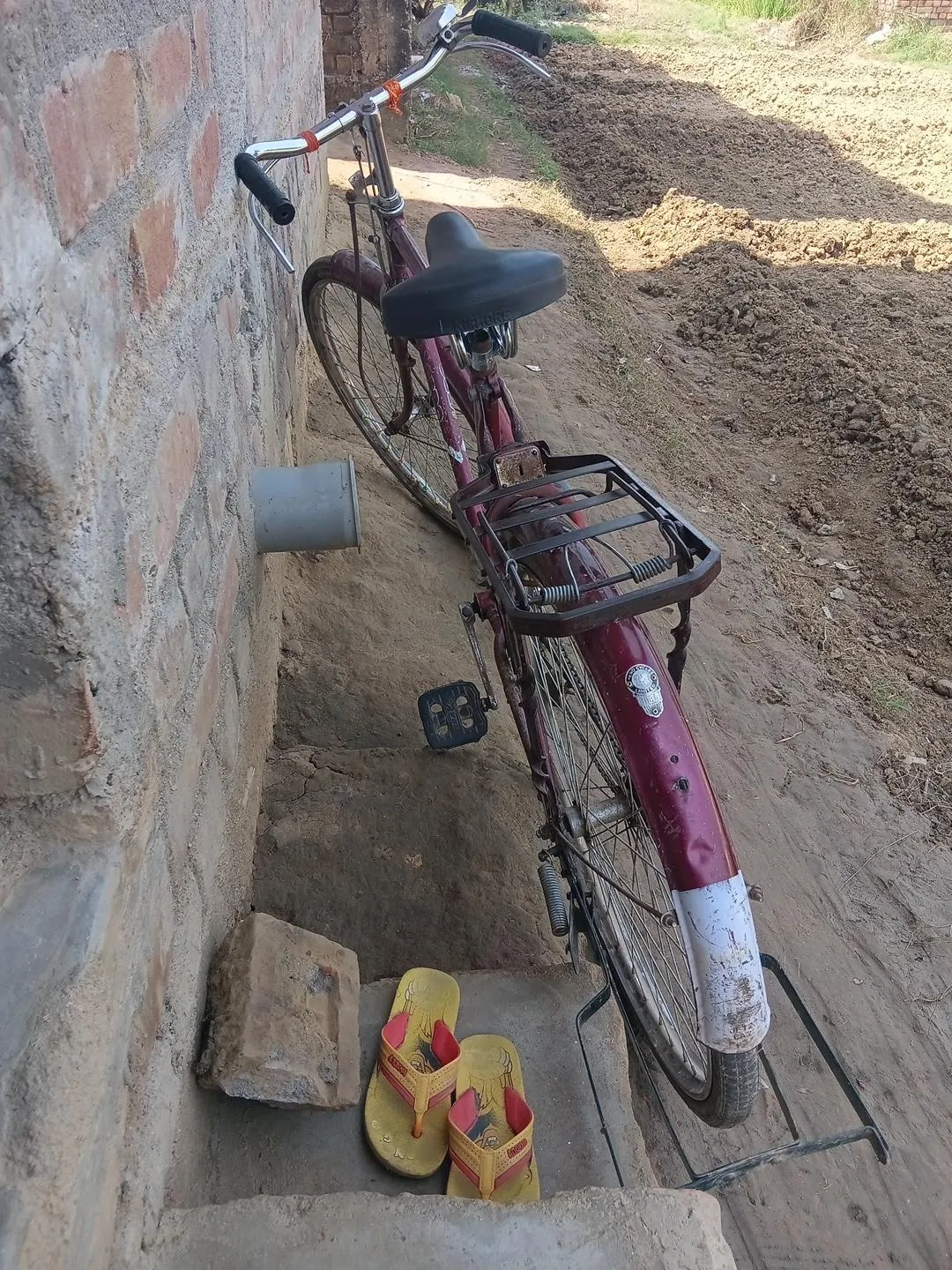
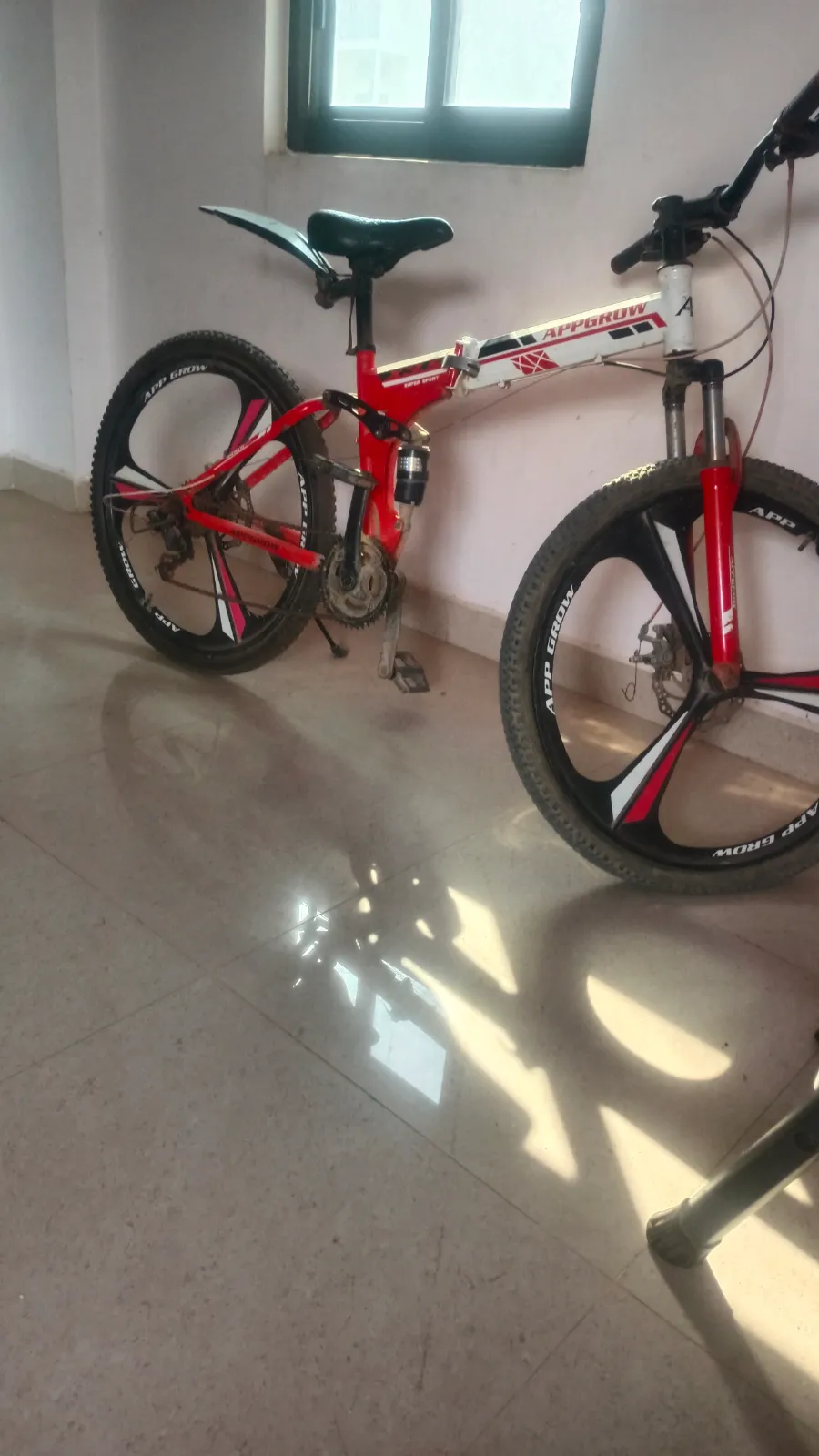
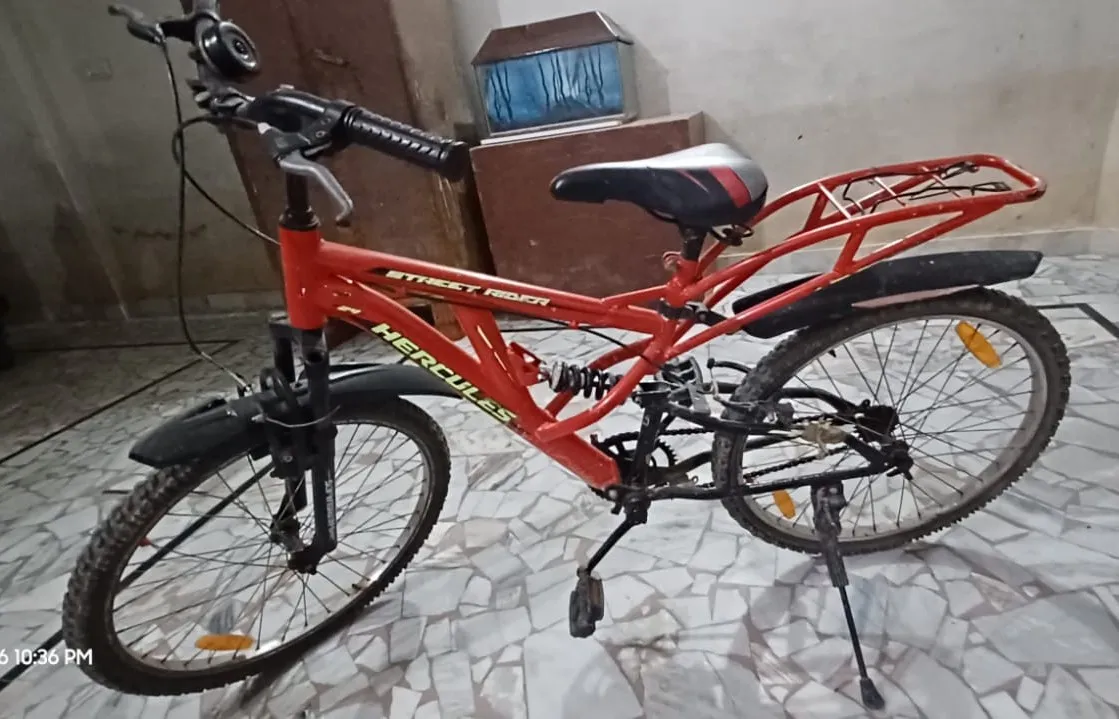
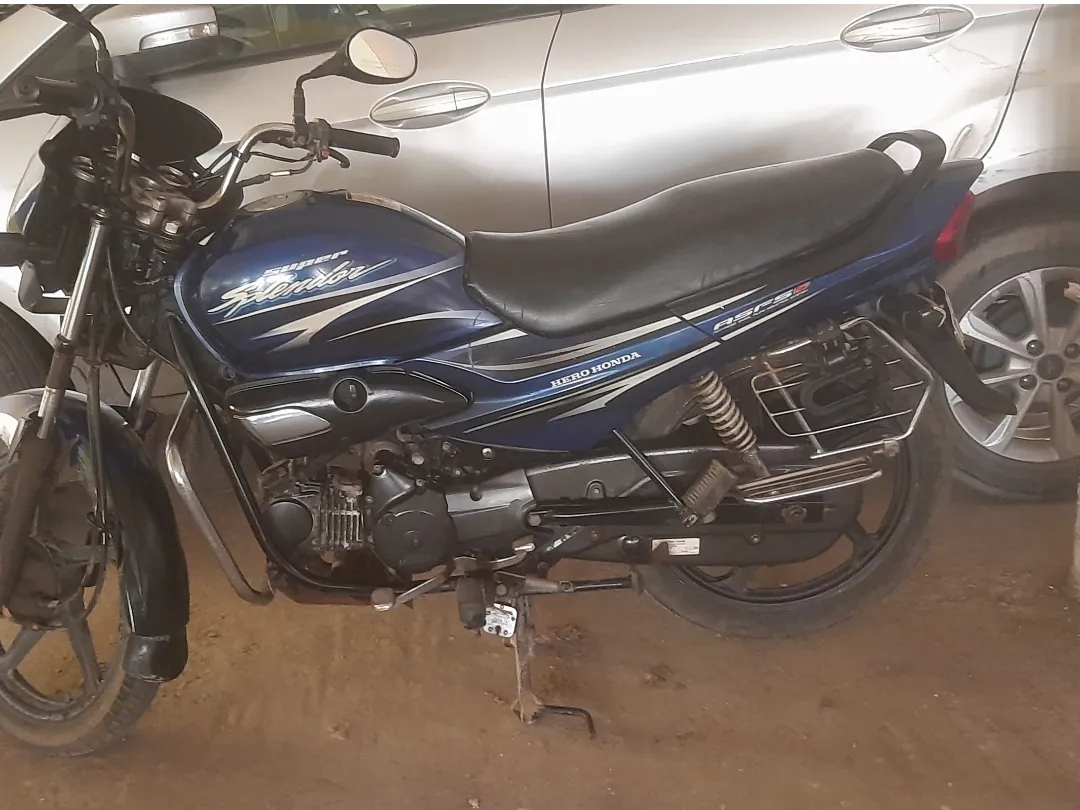
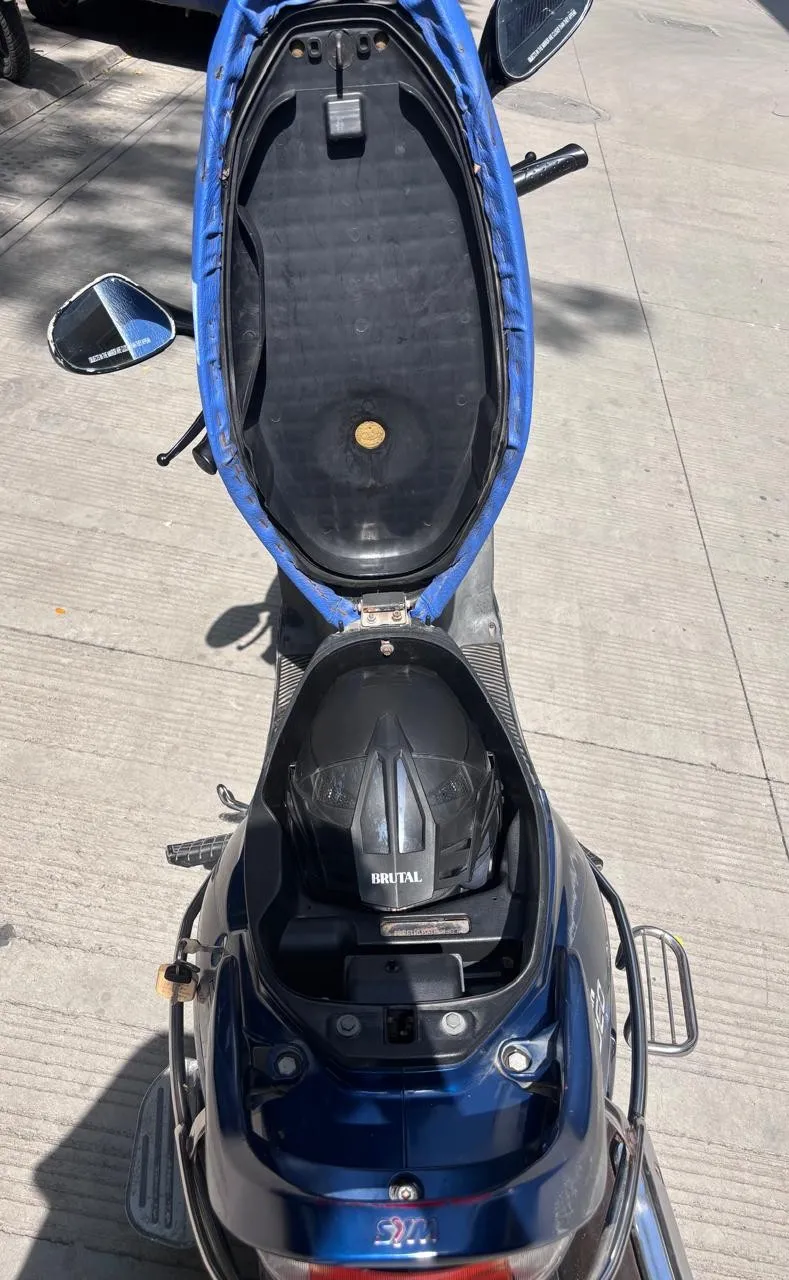
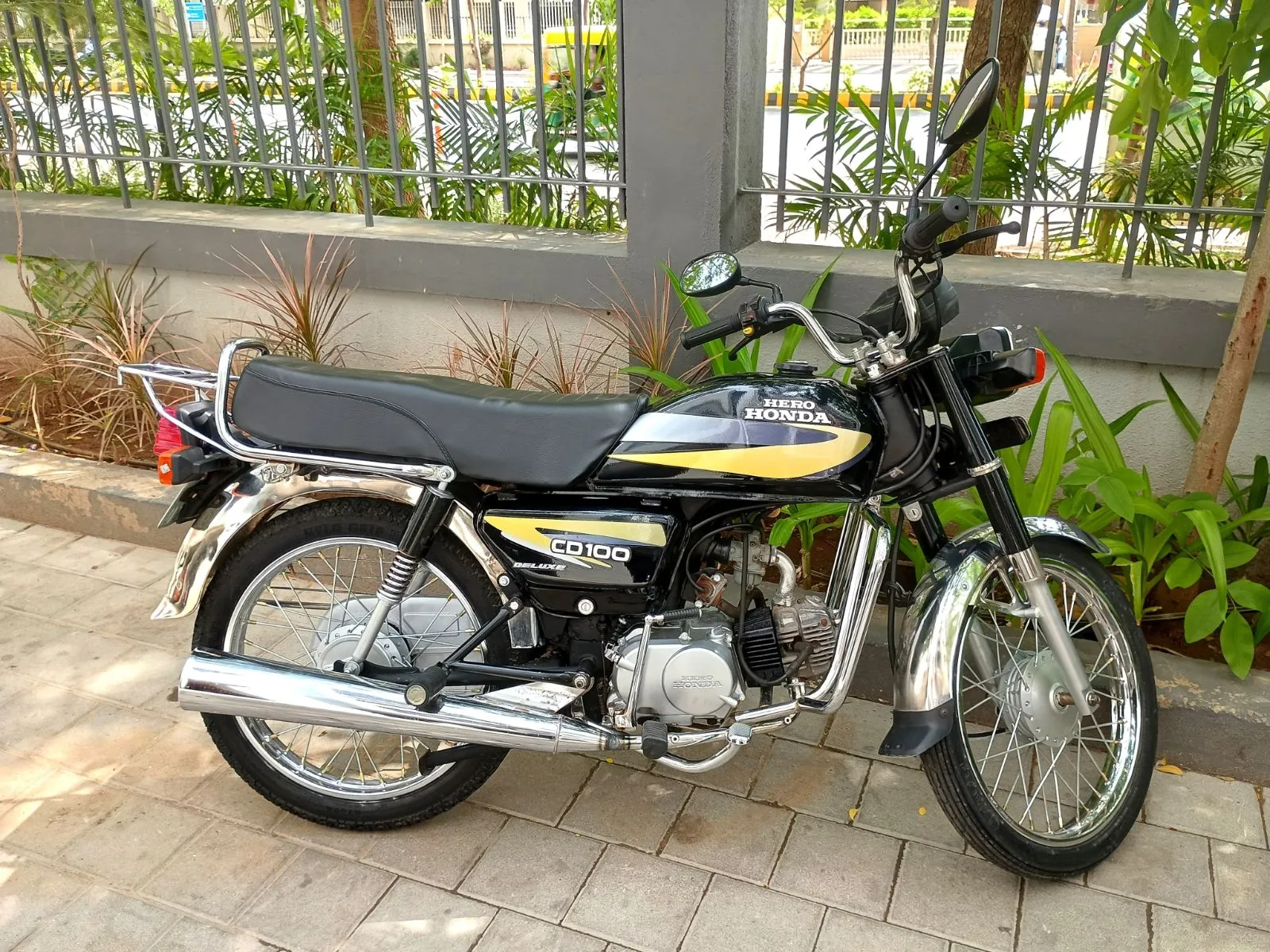
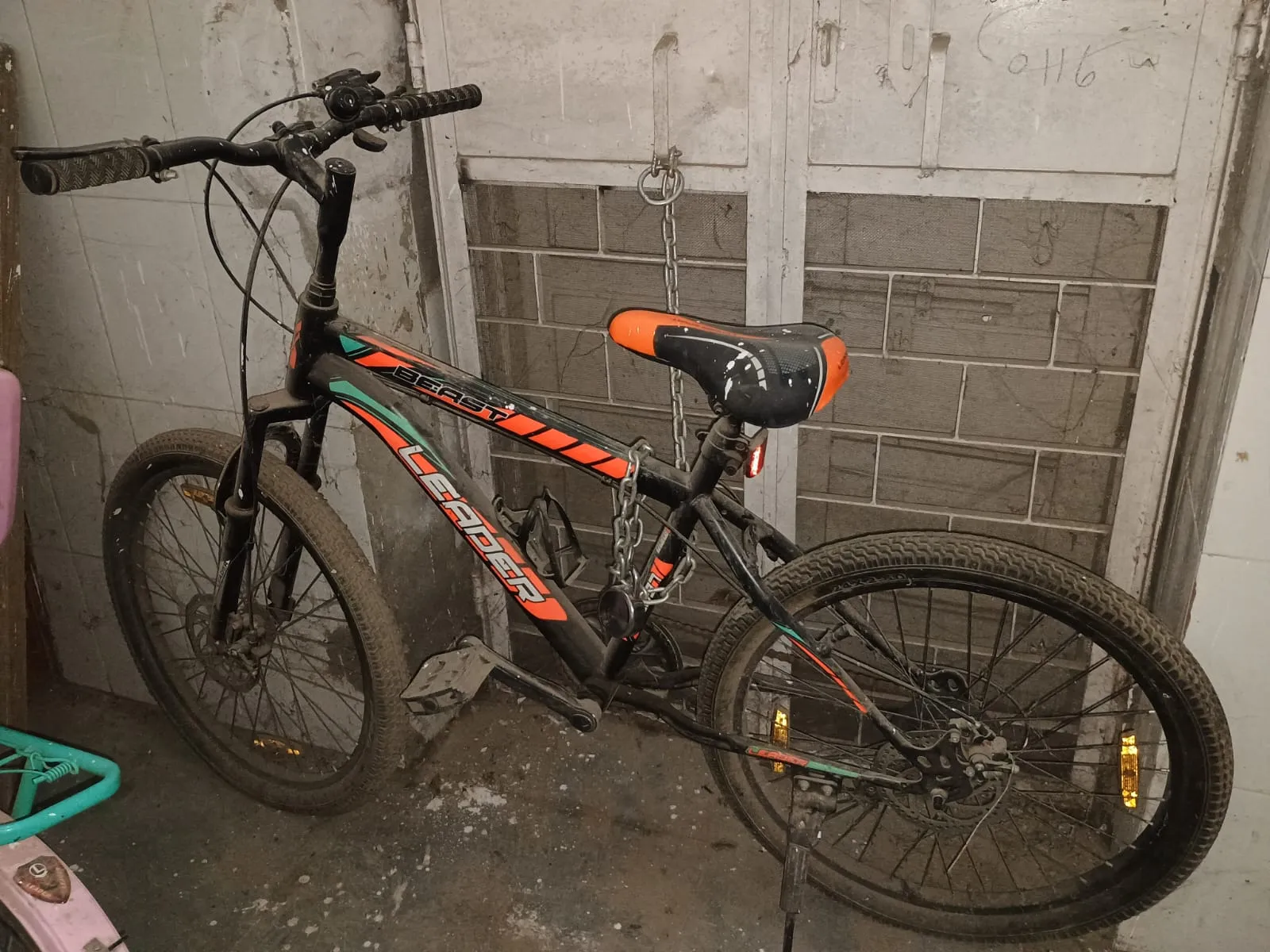
At this budget you are mostly looking at commuter motorcycles and scooters that have done a few years' work, plus bicycles and the occasional older vehicle. These are practical, repairable machines — but at this price the paperwork deserves as much attention as the engine.
Check the documents before you check the vehicle
Older, cheaper vehicles are where paperwork problems concentrate, and a mechanical fault costs you a few thousand rupees while a documentation problem can cost you the whole vehicle. Before you look at anything else, confirm:
- The RC is in the seller's name, and the chassis and engine numbers on it match the ones stamped on the vehicle. Physically find them and compare.
- Insurance is valid, and note whether it is comprehensive or third-party.
- The pollution certificate is current.
- Any loan is closed and the hypothecation removed from the RC.
- There are no pending e-challans against the registration number.
Also check your city's rules on vehicle age — some cities restrict older vehicles from plying, which directly affects whether a cheap older vehicle is usable where you live.
Inspecting a commuter bike or scooter
- Start it from cold. Ask the seller not to warm it up before you arrive. A cold start reveals starting problems that a warm engine hides completely.
- Listen and look. Knocking from the engine, blue or white smoke from the exhaust, and oil seeping around the engine or forks are all signs to walk away or negotiate hard.
- Ride it. Check every gear, the clutch bite point, both brakes, and whether the bike tracks straight with your hands loose on the bars.
- Check the frame for welds that look re-done, and the forks for pitting or leaks — both suggest an accident.
- Look at the consumables: tyres, chain, sprockets, brake pads and battery. These are normal running costs, but add them up and factor them into your offer.
What to expect
A vehicle at this price will need maintenance — budget for a full service, and possibly tyres and a battery, on top of the purchase. That is normal and still usually far cheaper than buying new. What is not acceptable is unclear ownership, so never proceed on a promise that documents will follow.
Completing the purchase
Pay only once you are satisfied, and complete the ownership transfer with the seller — keep copies of everything you both sign. Until the transfer is recorded, the vehicle remains in the seller's name. Your state transport department's website sets out the process.