This is the top of the used electronics market: large premium TVs, professional camera bodies and lenses, high-end audio and studio equipment. The savings against new are substantial, and so is the cost of getting it wrong — which makes verification, not just inspection, the thing that matters here.
Treat this like a serious purchase
At this level, do three things you would not bother with at ₹5,000. Ask for the original invoice and match the serial number on the device, the box and the bill. Ask directly about repair history, and about who did the work. And take the time to check the current new price of the same model — depreciation on premium electronics is steep, and knowing the new price is the only way to judge whether an asking price is genuinely good.
Premium TVs
Run the same panel checks as any TV — plain white and black screens, every port, the remote — but go further. On OLED panels, display a static bright image and look for retained shapes, which indicate burn-in from a channel logo or a game HUD; this is the single most important check on a used OLED. Confirm the model still receives software updates and that the apps you need install and run. Ask whether the panel has been replaced, and check the screen surface closely under strong light for pressure marks and scratches.
Professional cameras and lenses
Shutter count matters more on professional bodies because they are worked harder. Ask for it, and compare it against the rated life for that model. Check the sensor by photographing a plain bright surface at a narrow aperture, test every button and dial, and check the memory card slots. On lenses, look for fungus, haze, separation and dust, test zoom and focus rings through their full travel, and check autofocus accuracy at several distances. Ask whether the equipment was used professionally — heavy commercial use is not a dealbreaker, but it should be reflected in the price.
High-end audio
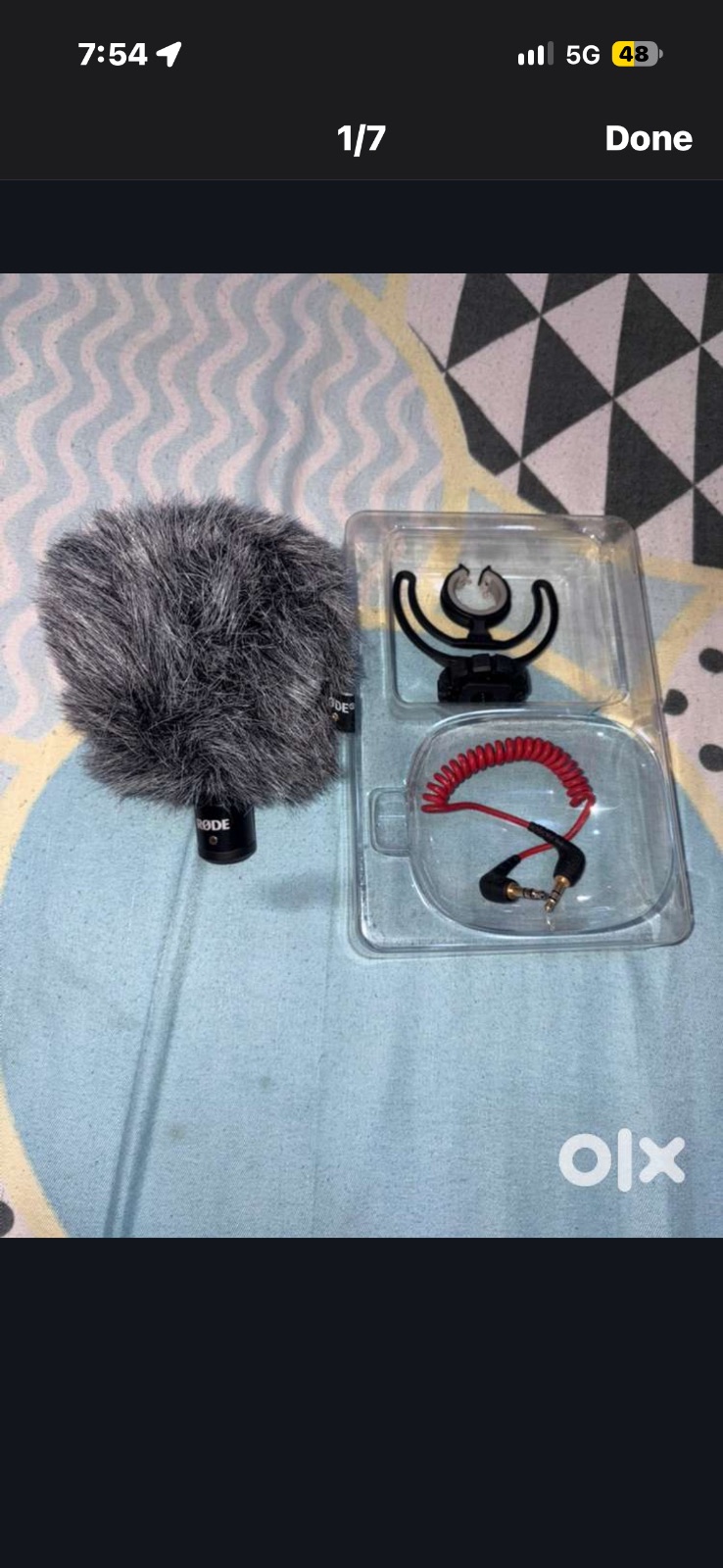
Test every input, every channel and every mode. Listen carefully at low volume for hum and hiss, and at high volume for distortion. Inspect drivers, cones and surrounds, and ask about servicing history on anything valve-based or older.
Paying safely for an expensive item
- Always meet in person, at the address where the item lives, and never send any advance.
- Take someone with you, and go in daylight.
- Pay only once you have tested everything, and transfer directly — no third parties, no "agents".
- Be sceptical of a premium item priced far below the market. At this level, an unusually low price is the warning sign, not the opportunity.