Get your paperwork in order first
Buyers judge a private seller largely on documentation, and missing paperwork is the most common reason a deal stalls. Before you list, collect:
- Registration certificate (RC) in your name, with the chassis and engine numbers legible.
- Insurance policy, and note the expiry date and whether it is comprehensive or third-party.
- Pollution certificate (PUC), valid on the day of sale.
- Loan closure documents and the NOC if the vehicle was ever financed, plus confirmation that the hypothecation has been removed from the RC.
- Service records, even partial ones. A folder of bills is one of the strongest things a private seller can show.
Also check the registration number for any pending e-challans and clear them before you list. A buyer who finds them later will use it to renegotiate.
Photographs and description
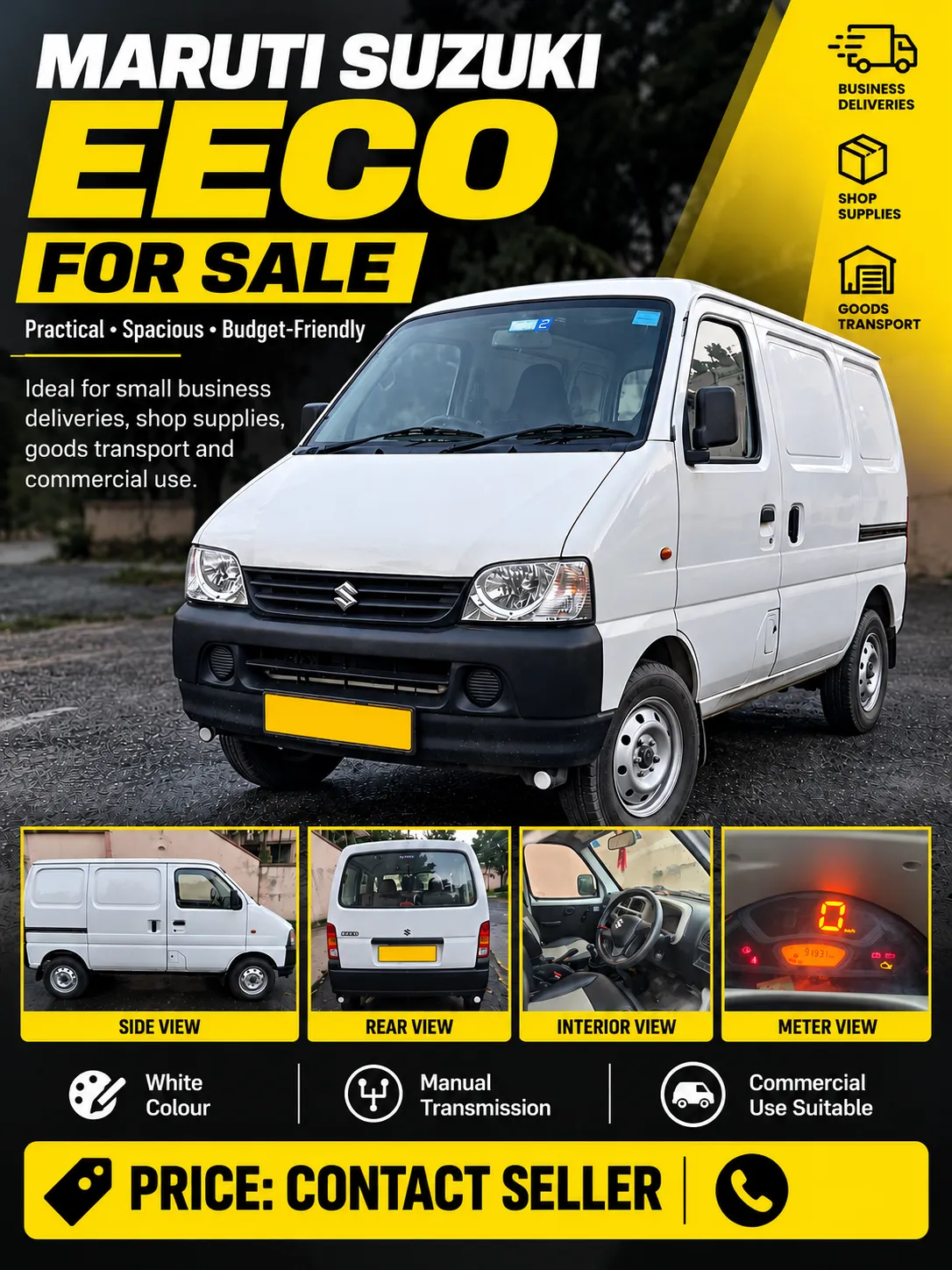
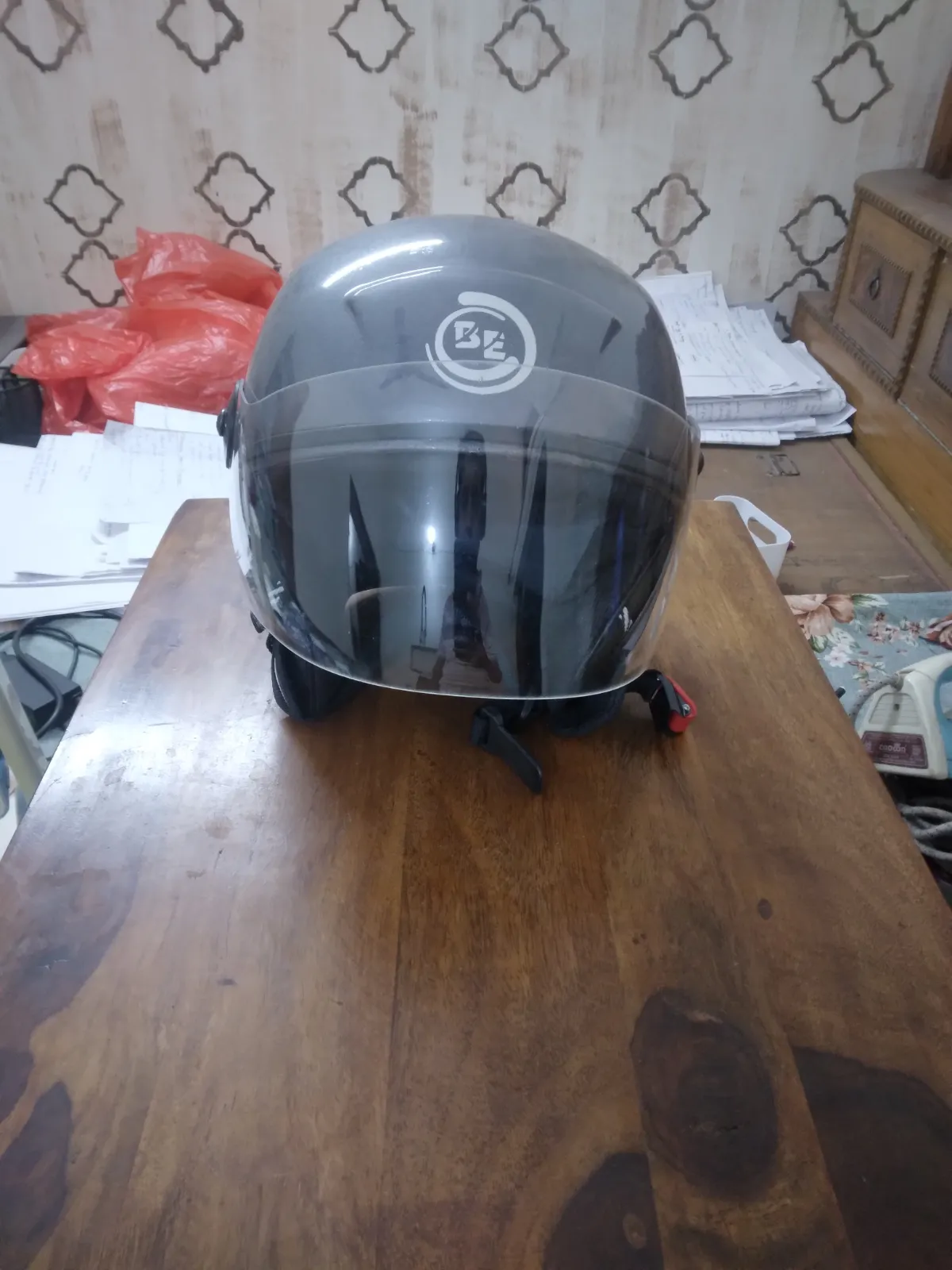
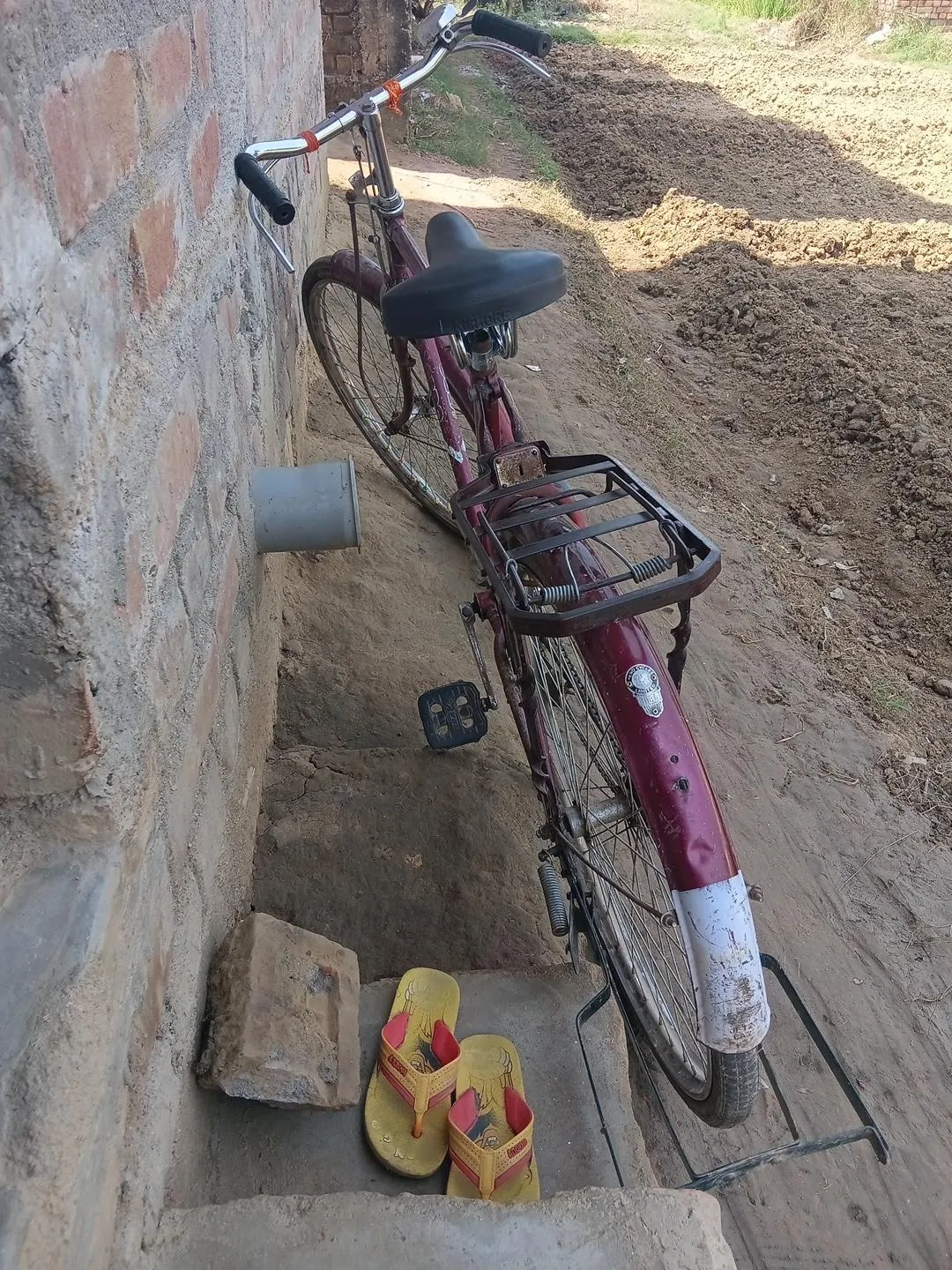
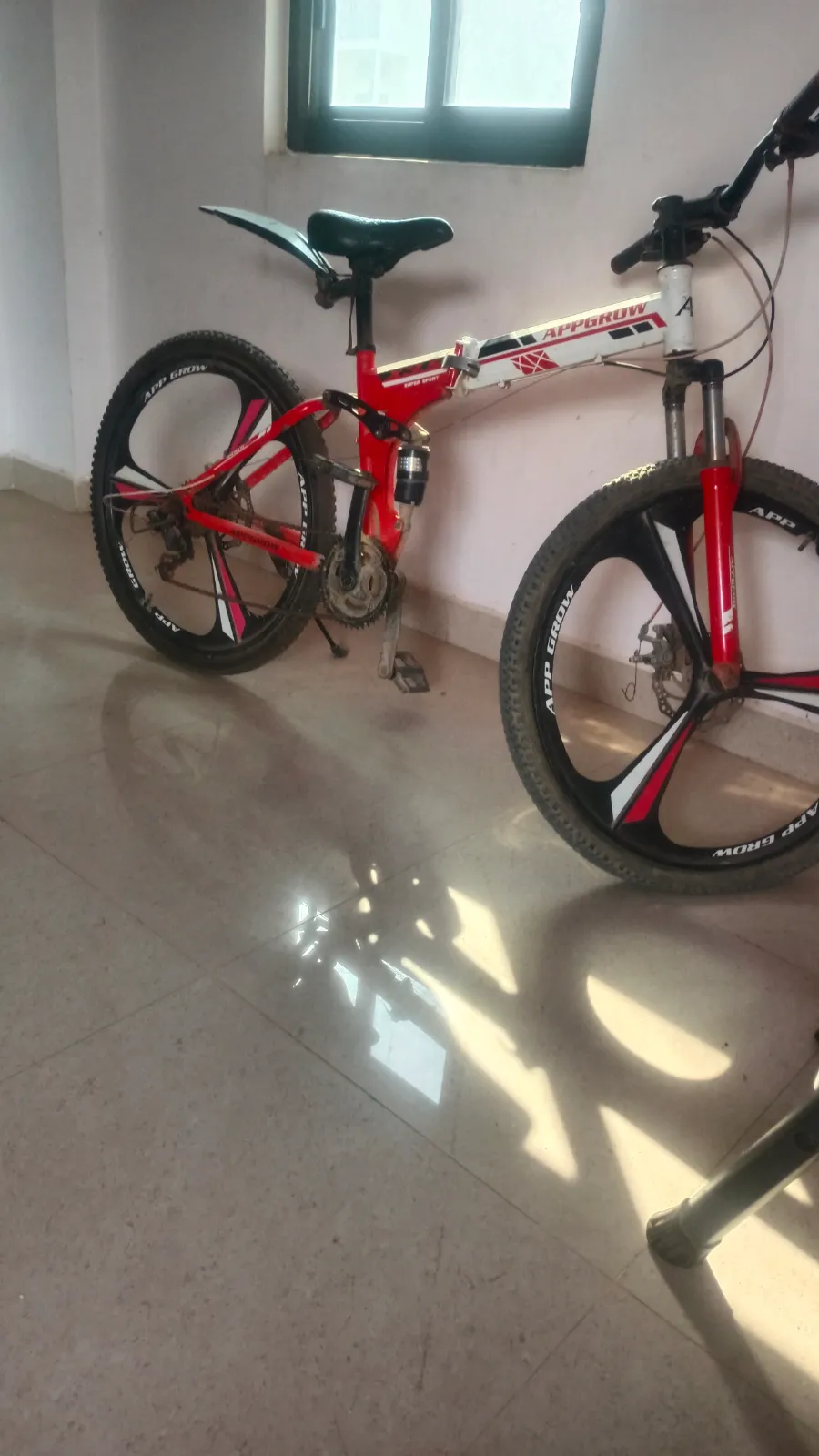
Wash the vehicle and shoot in daylight from all four corners, plus the interior, the odometer reading, the tyres and the engine bay. Photograph any dents, scratches or rust rather than hiding them — buyers find them at the viewing anyway, and finding them yourself first protects your asking price.
In the description, state the year of registration, the kilometres, the fuel type, how many owners it has had, the insurance validity and the service history. Mention honestly anything that needs work.
Handling enquiries and test drives
- Talk to the buyer on the phone before agreeing to meet. A short conversation filters out most non-serious enquiries.
- Meet in daylight in a public place, and take someone with you.
- Check the driving licence of anyone who takes a test drive, and sit with them.
- Let a serious buyer arrange their own inspection if they want one — it usually speeds up the sale.
Completing the sale
Confirm the full payment has arrived in your own bank account before you hand over the keys or the documents. Then complete the ownership transfer formalities with the buyer and keep copies of everything you both sign — until the transfer is recorded, the vehicle is still registered to you. Your state's transport department website sets out the process and the forms required.
More help: the best time to sell an old car, the complete used car guide and the two-wheeler guide.