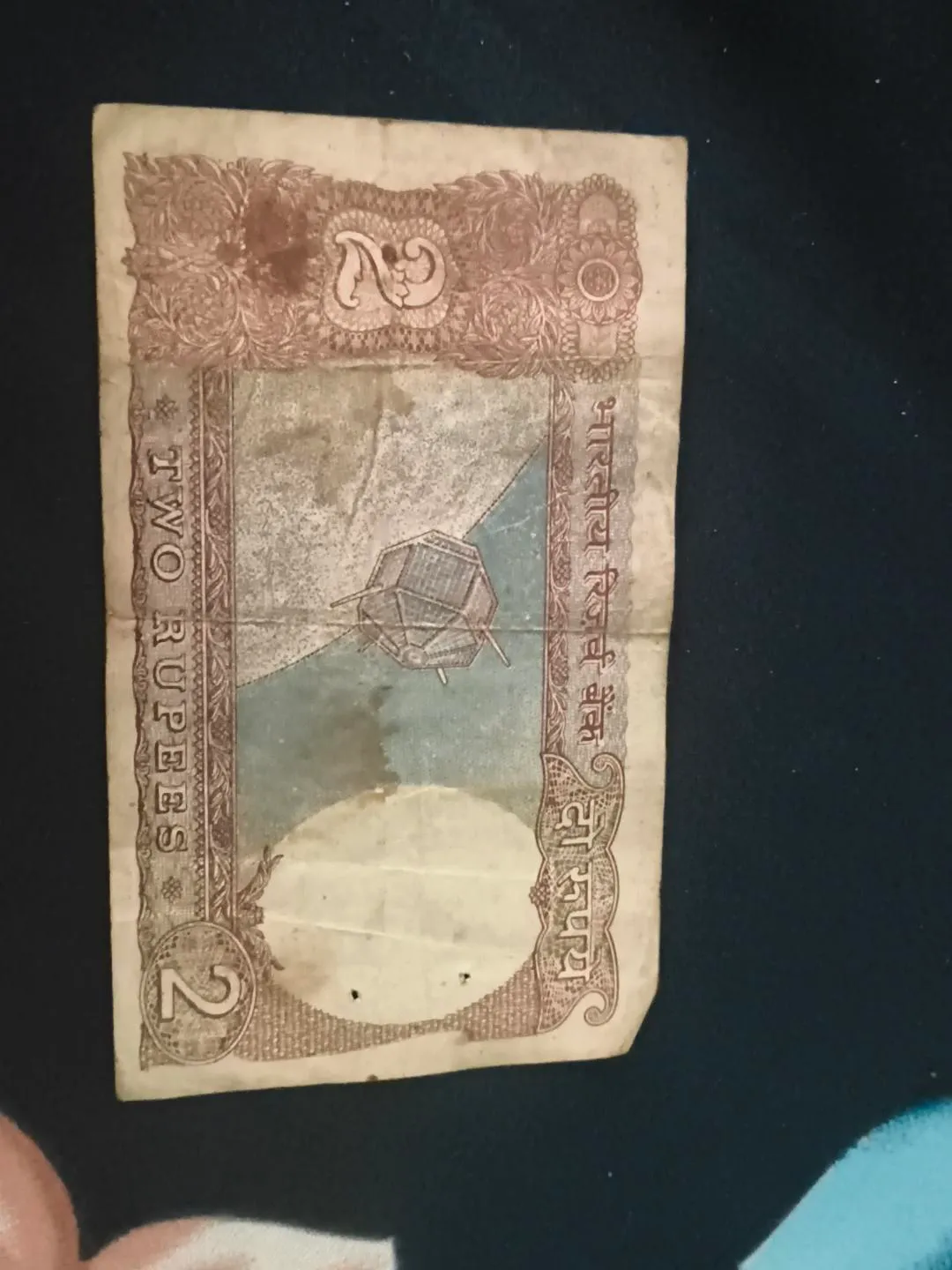
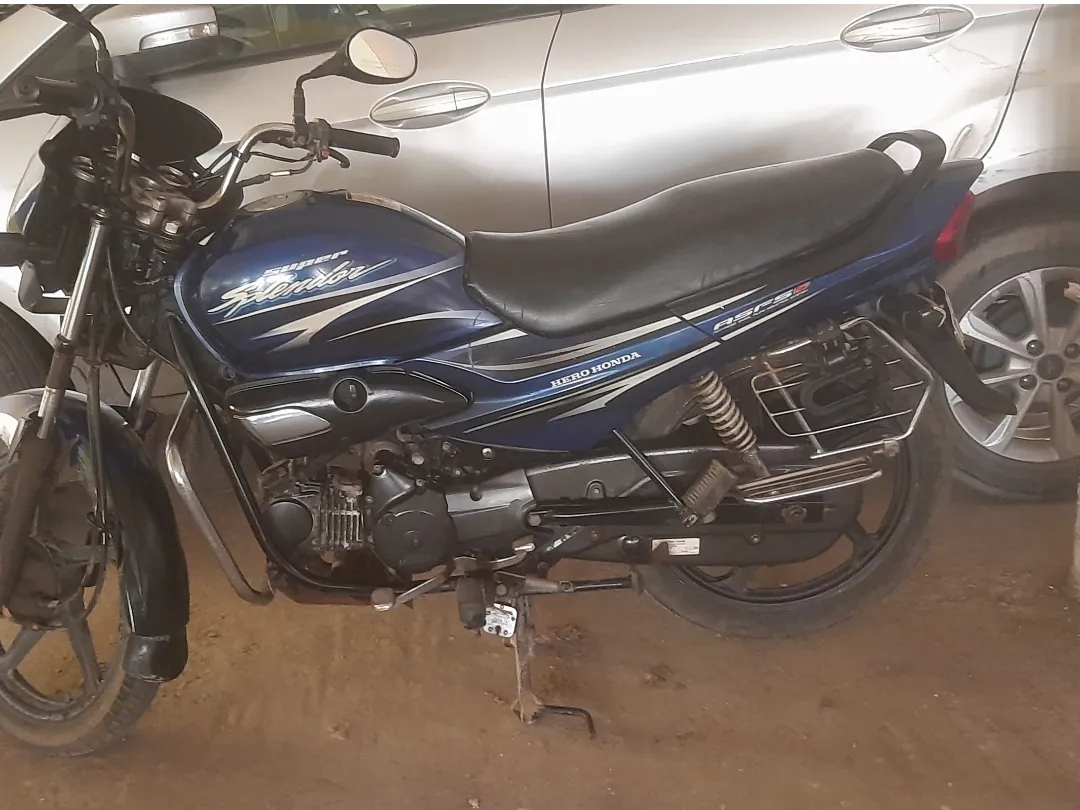
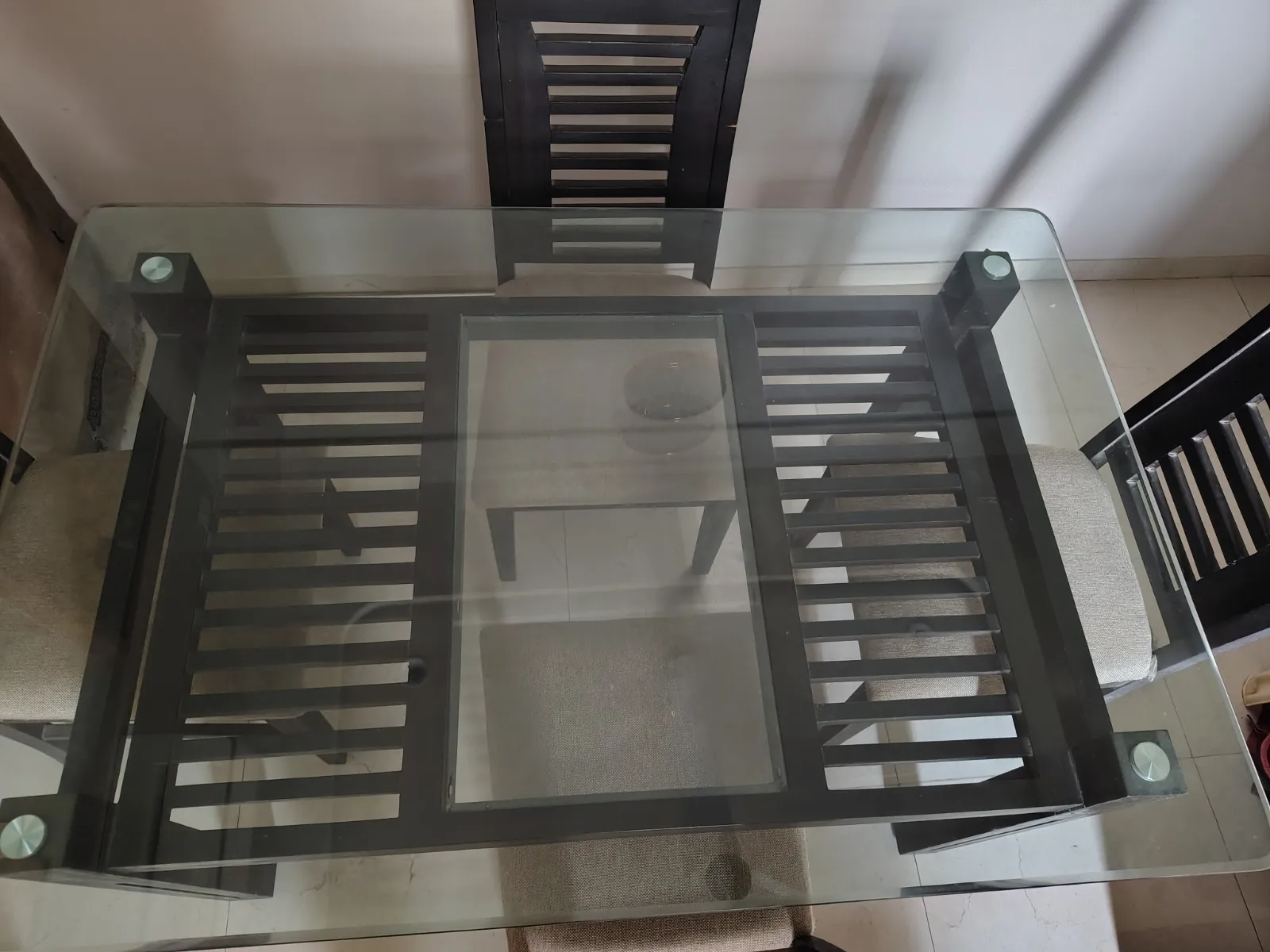
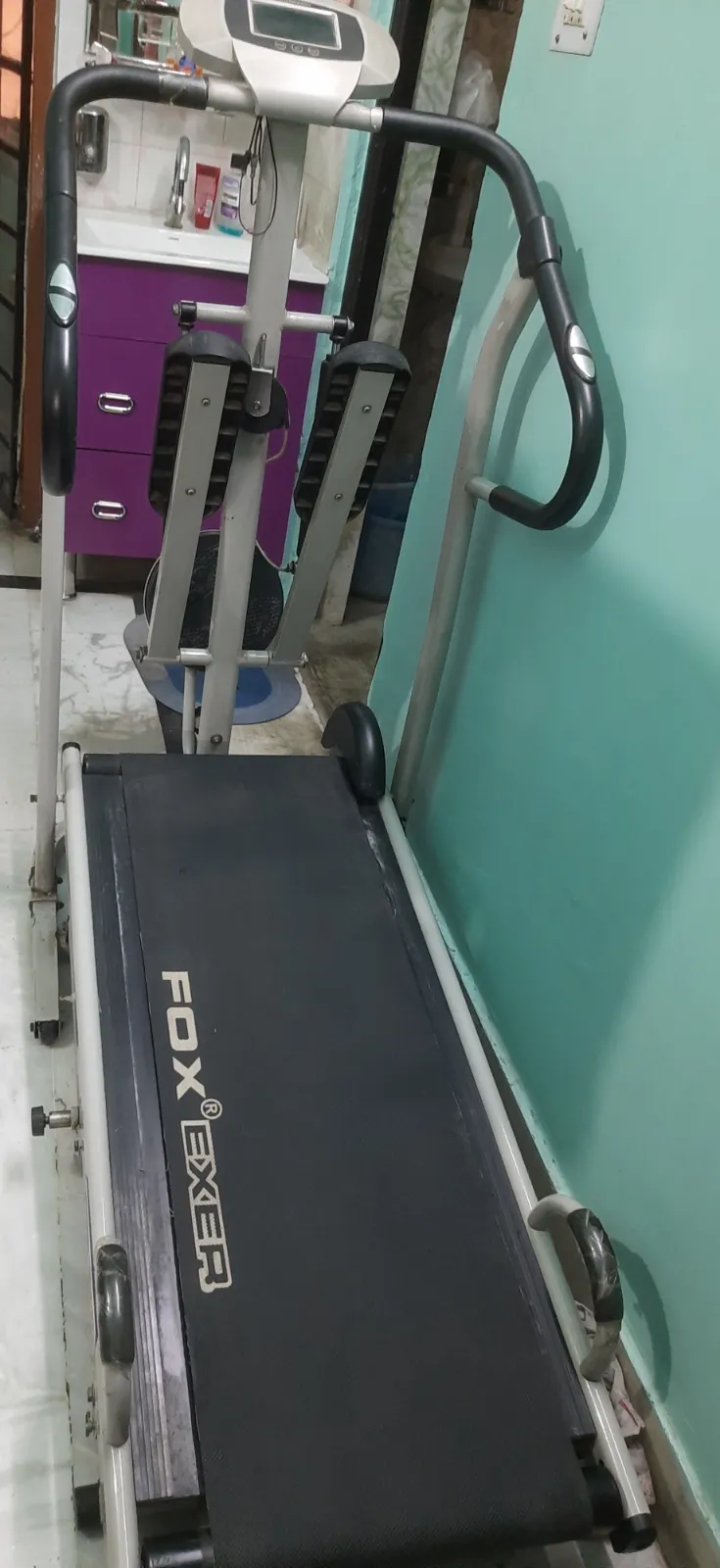
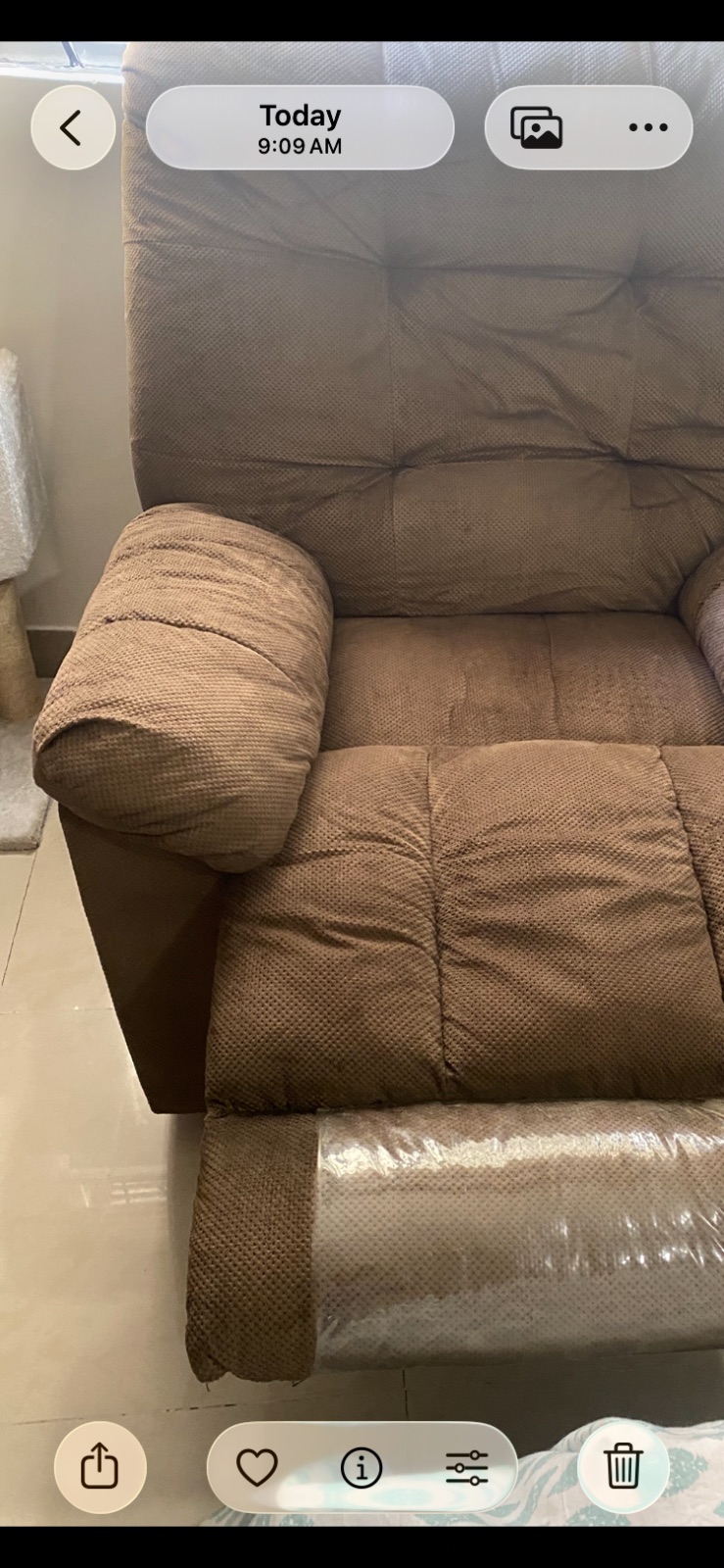
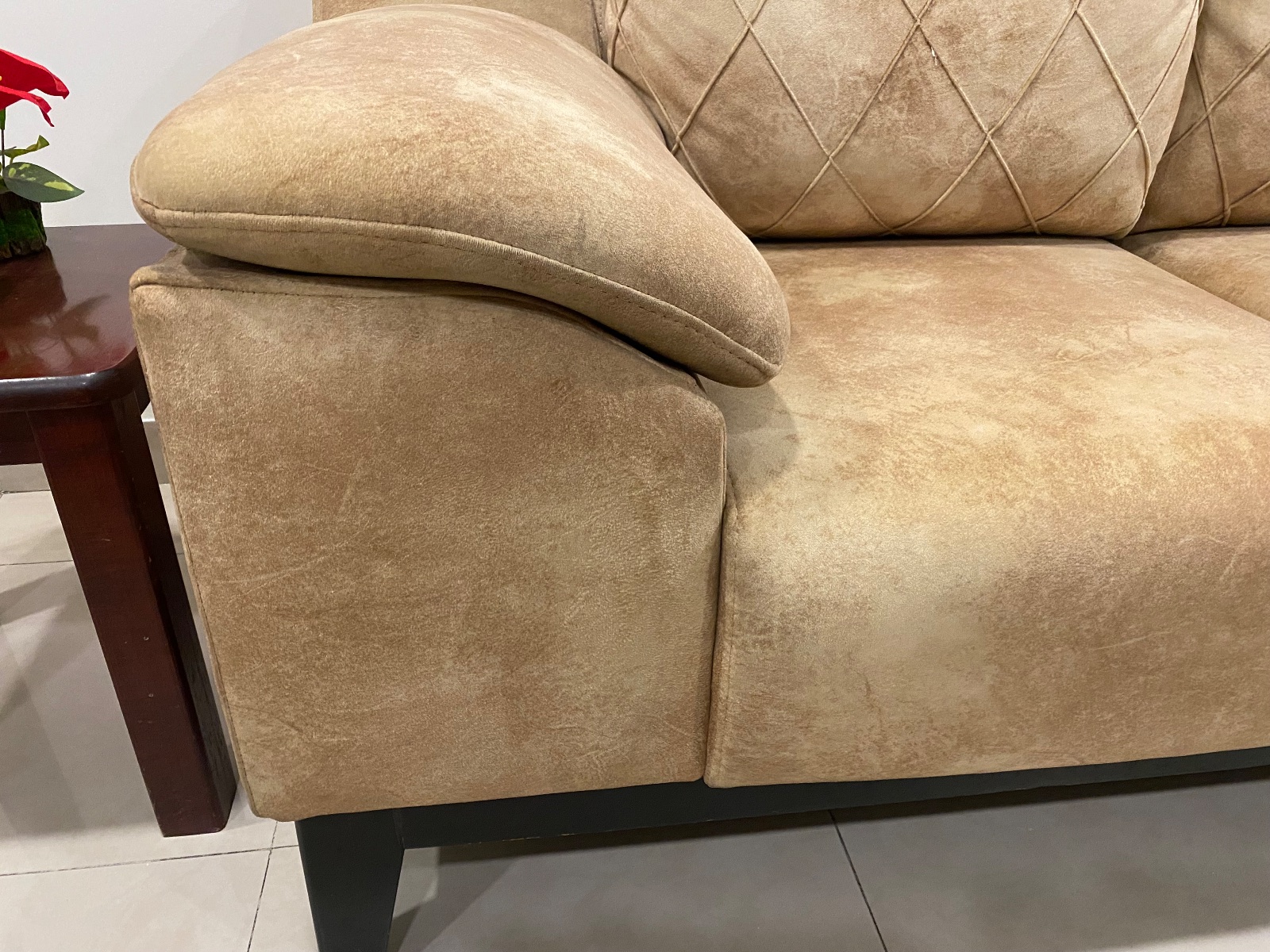
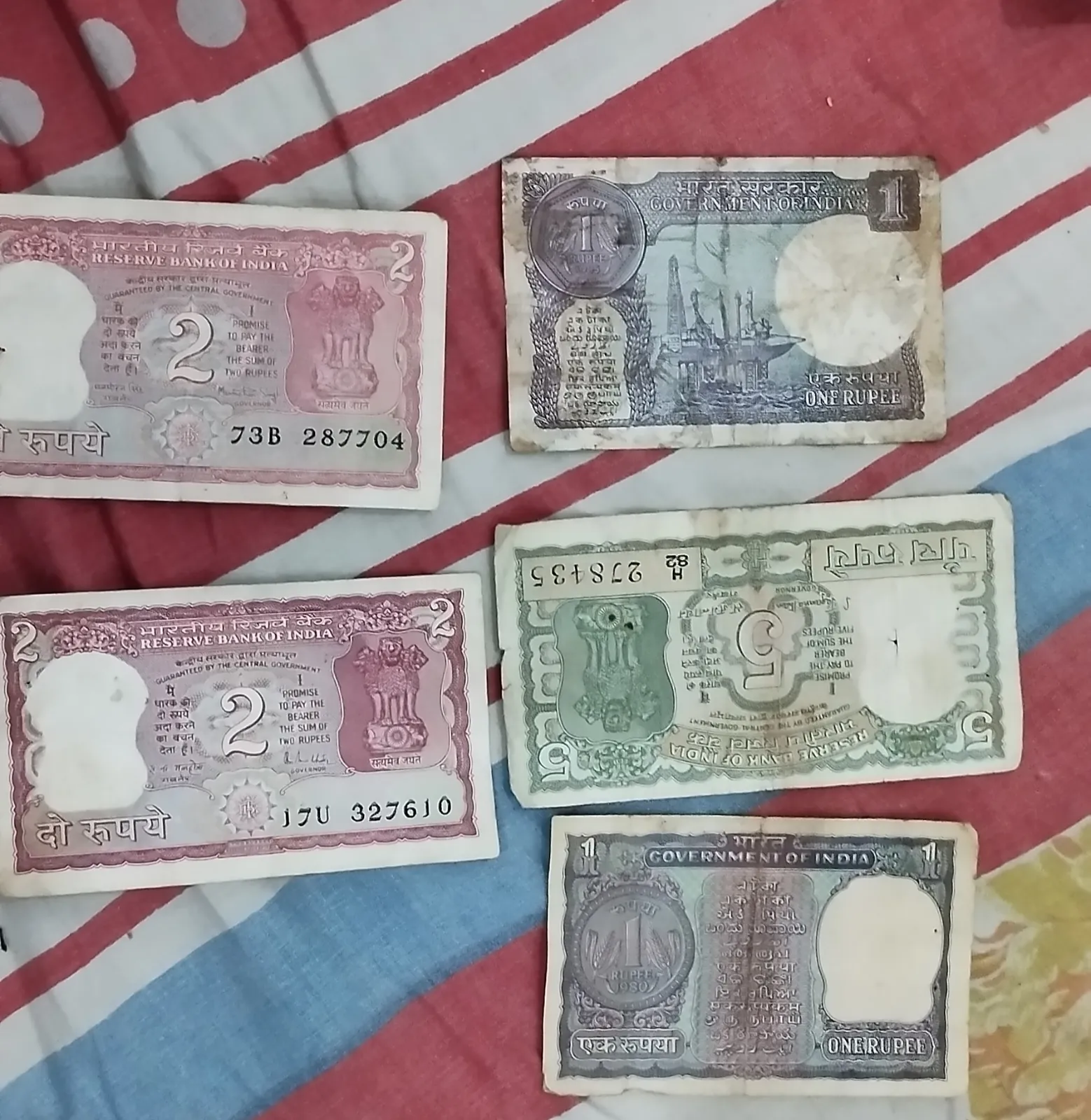
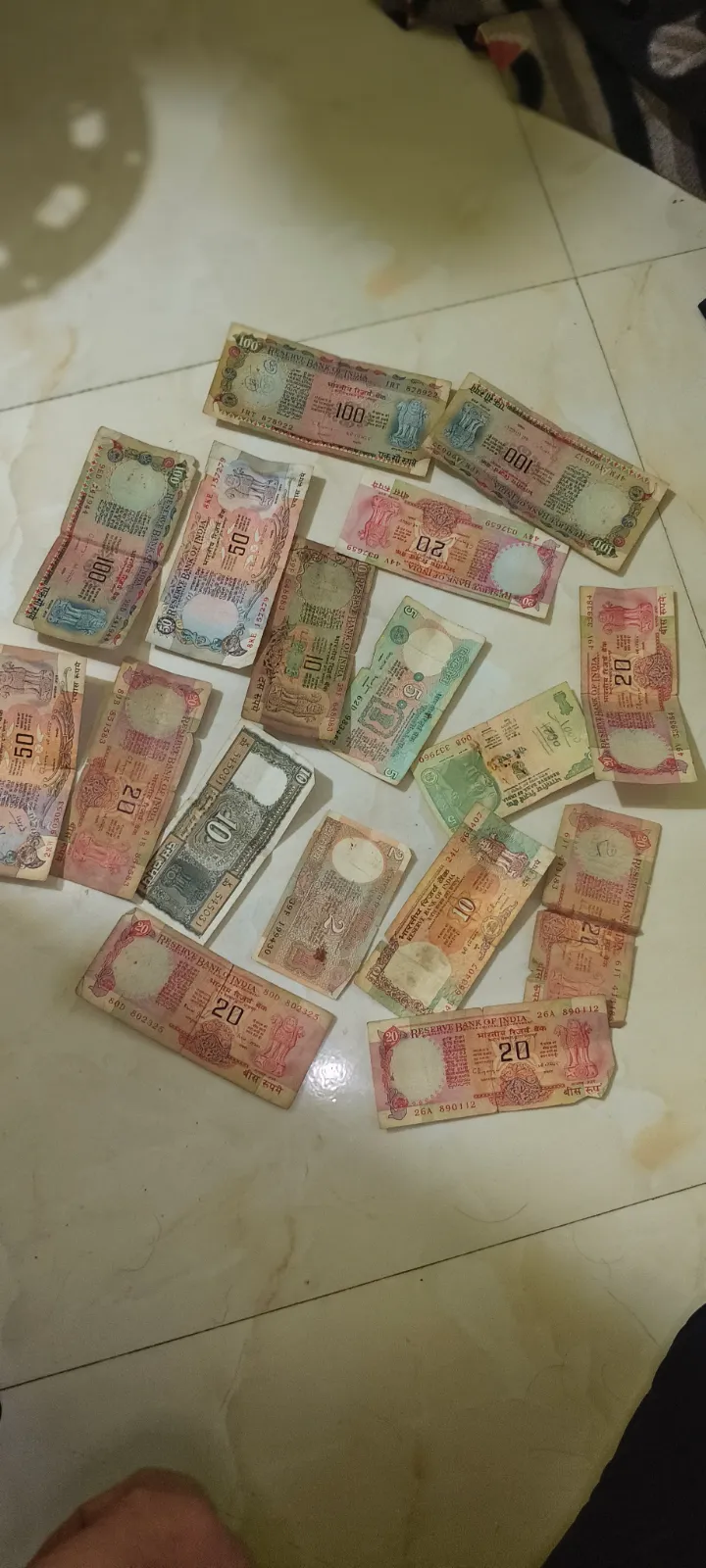
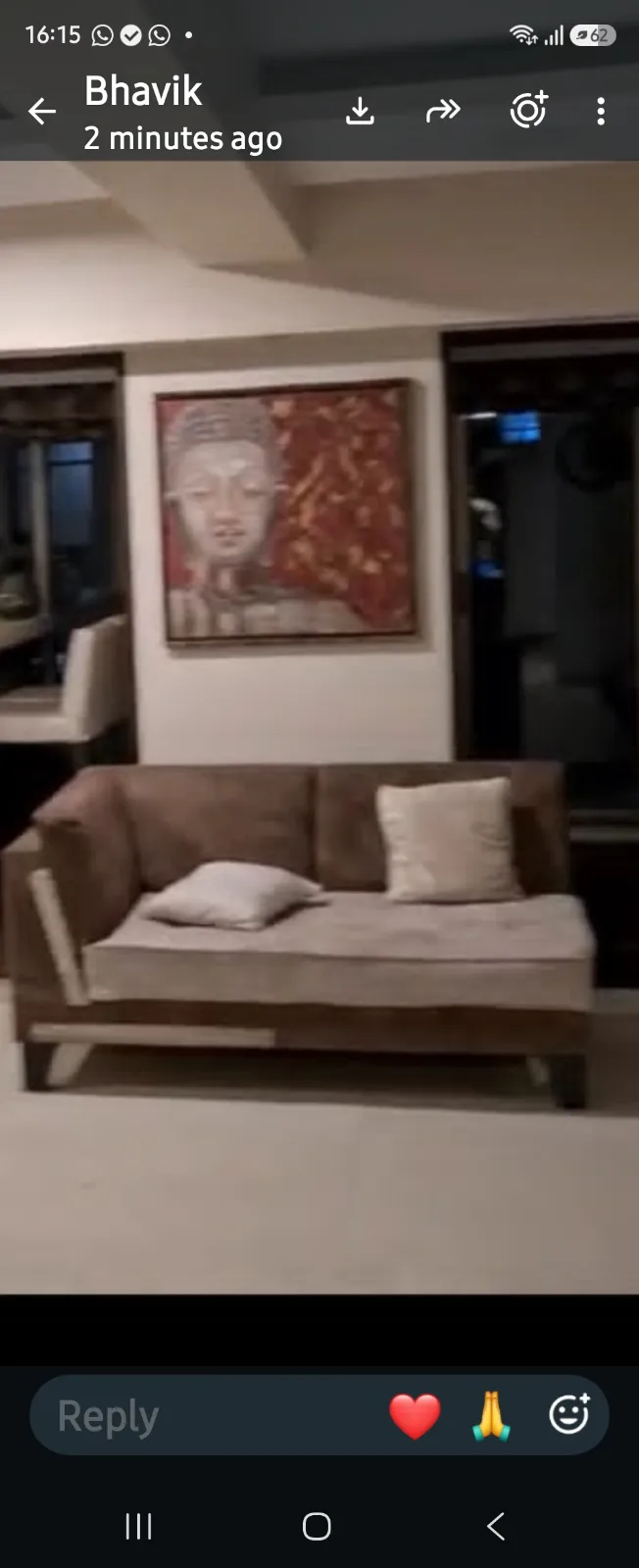
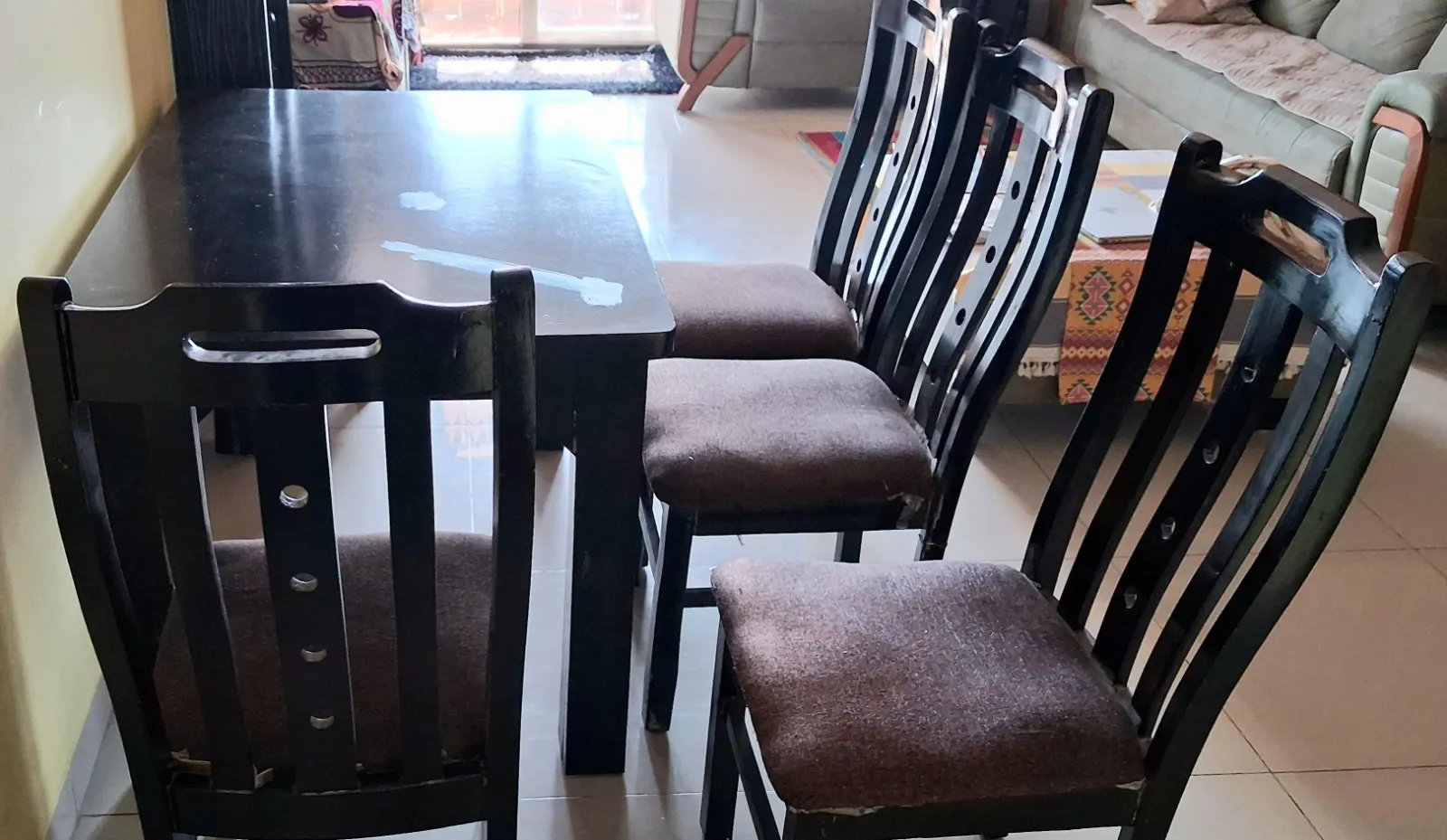
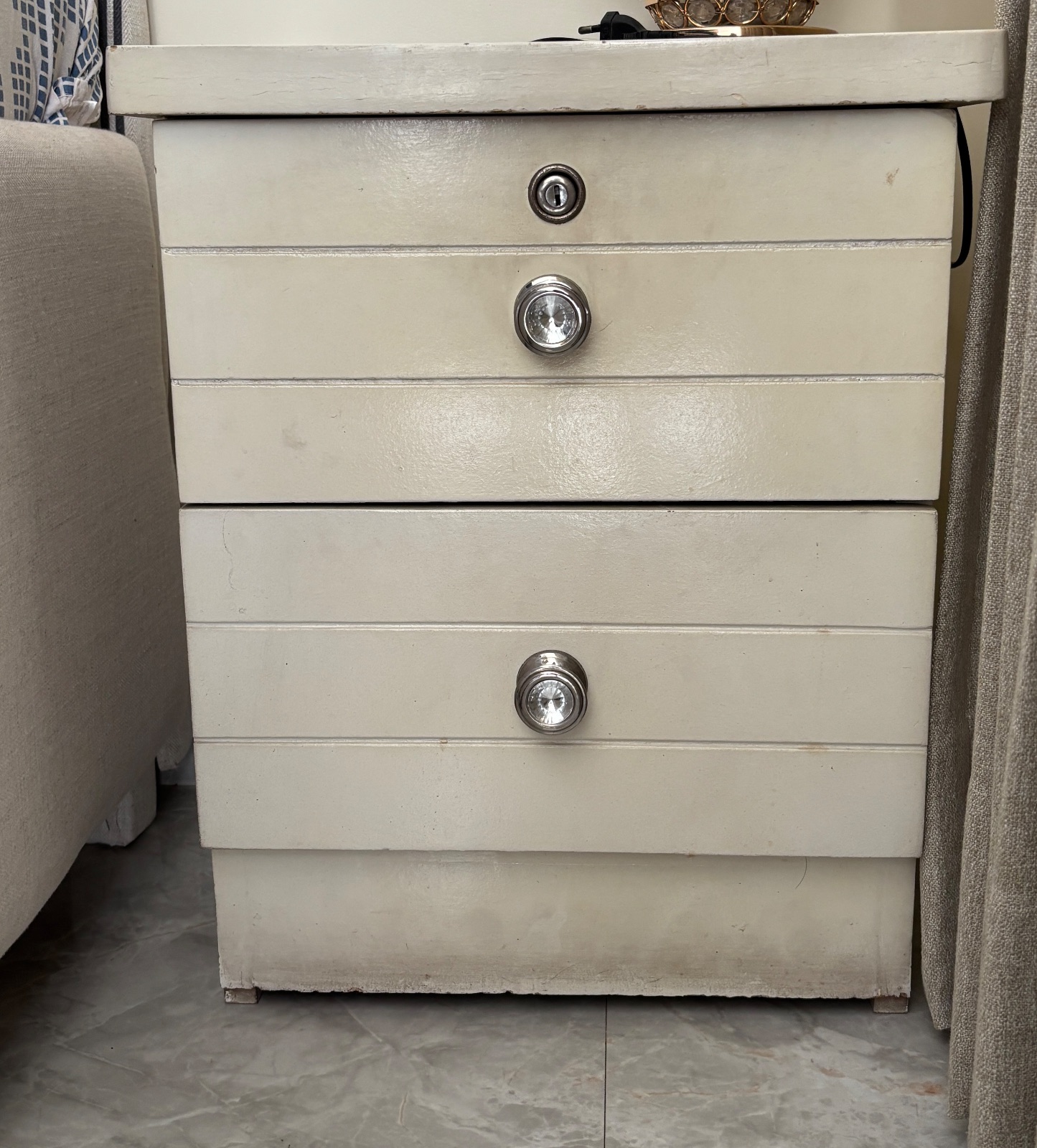
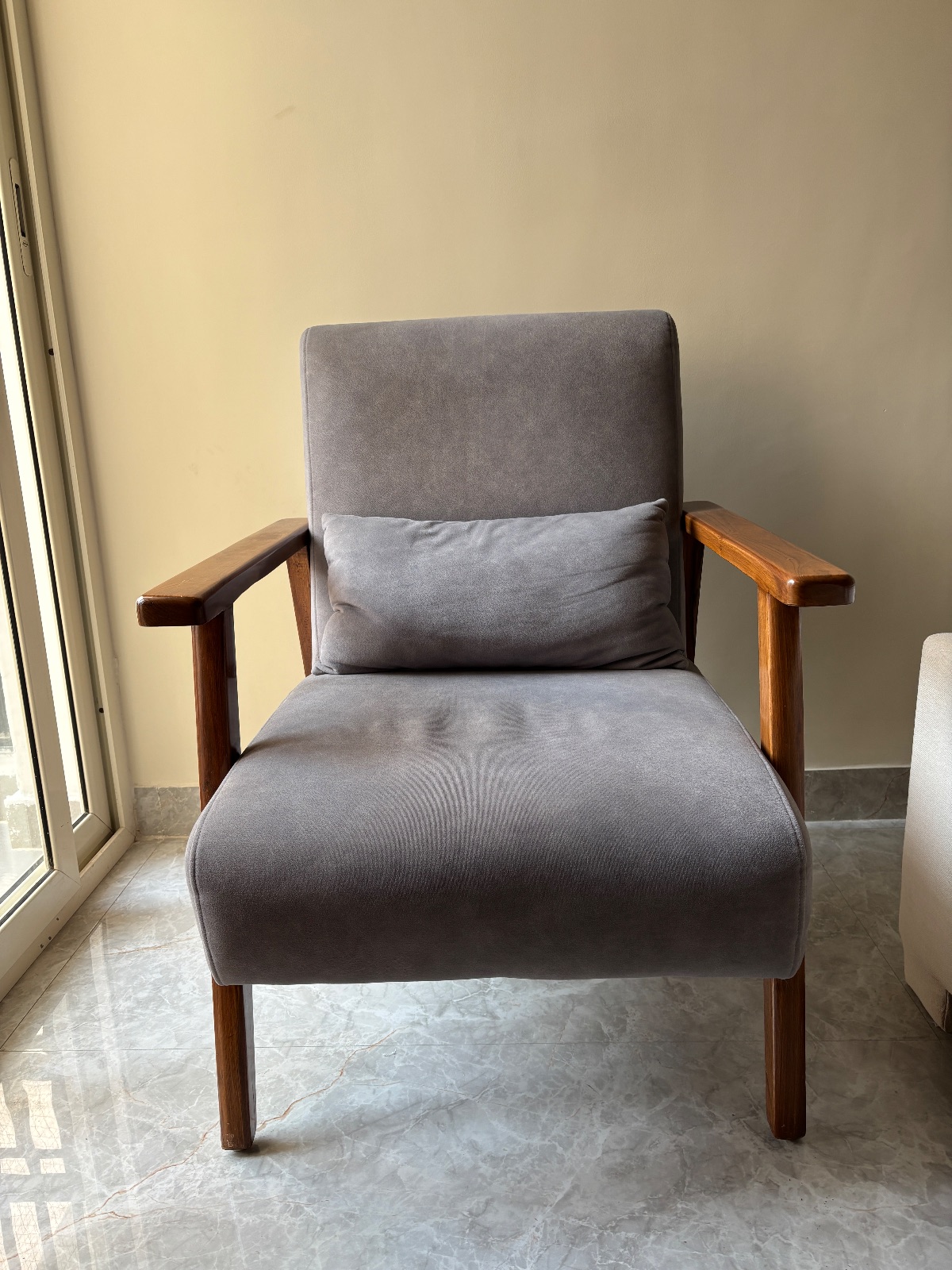
Check what similar items are listed for before you set your price.
Your options, and when each one makes sense
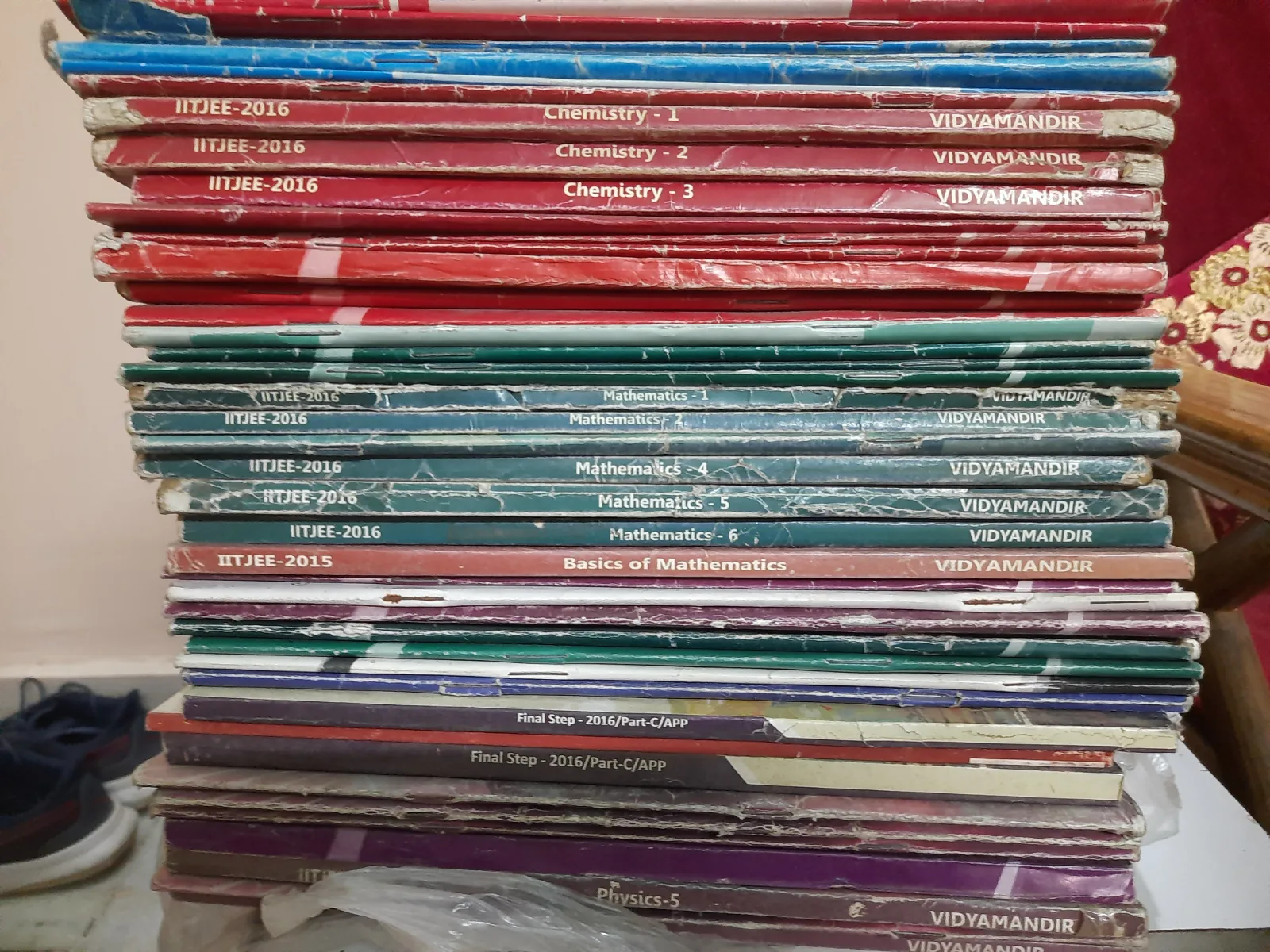
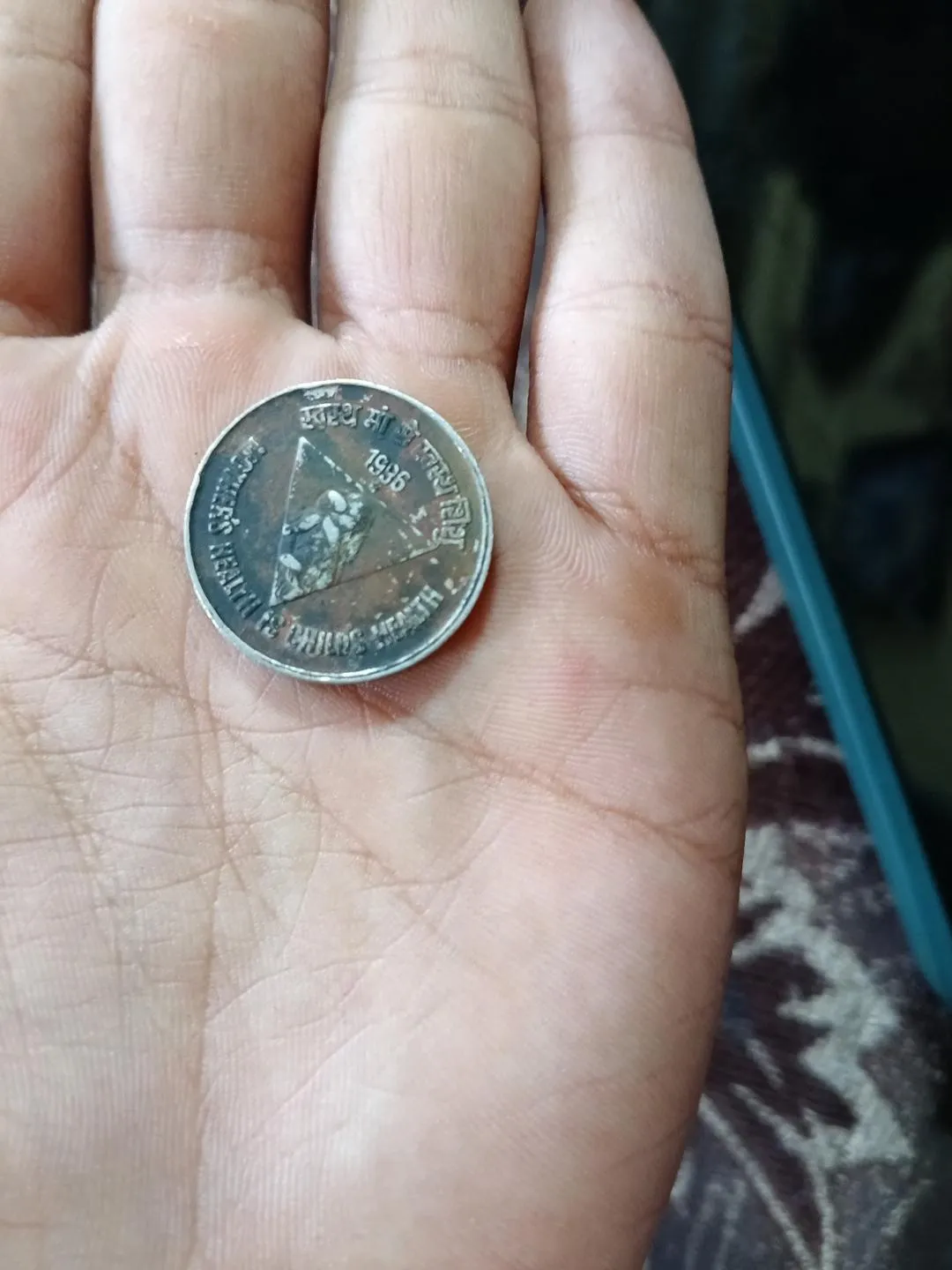
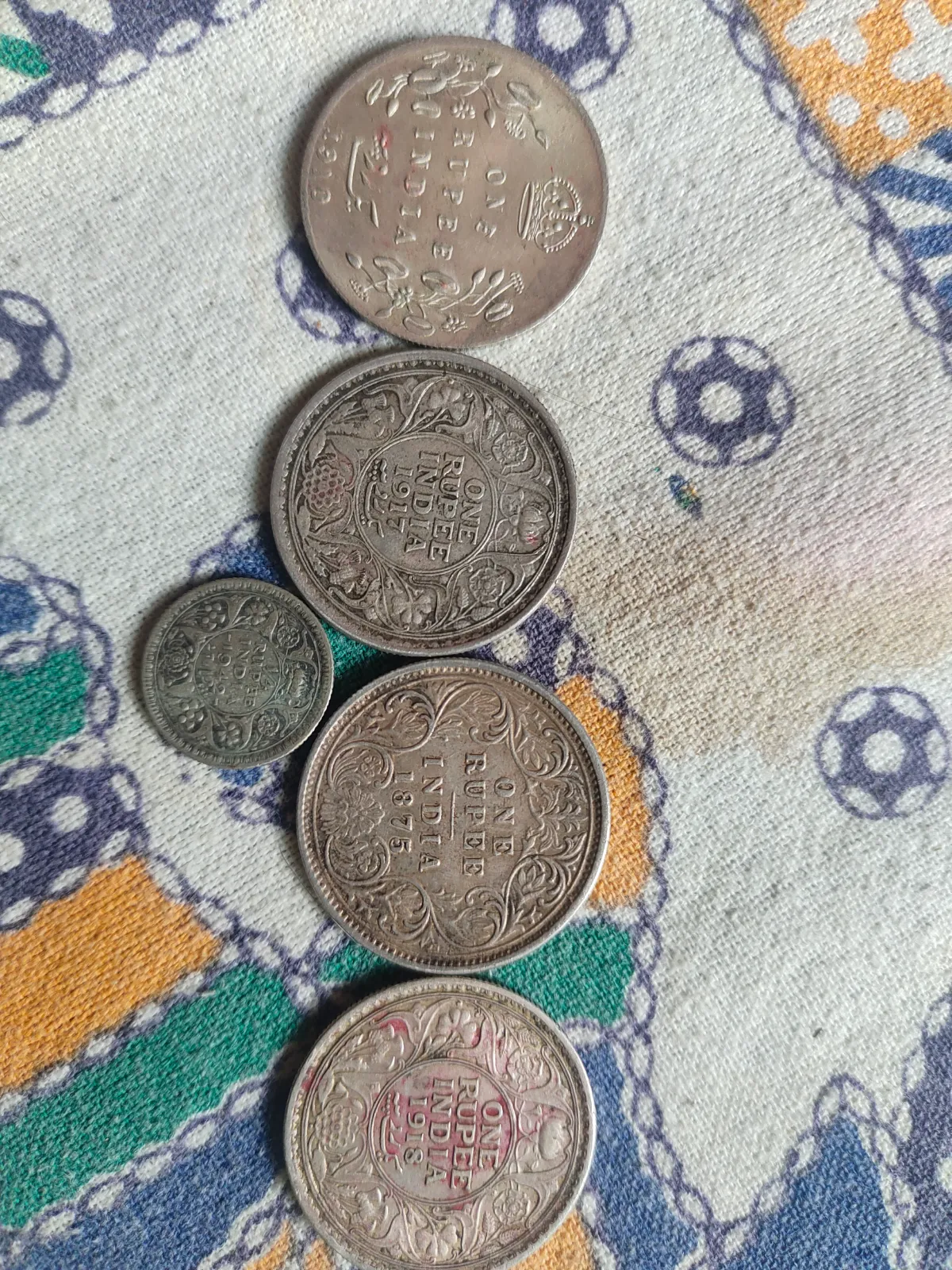
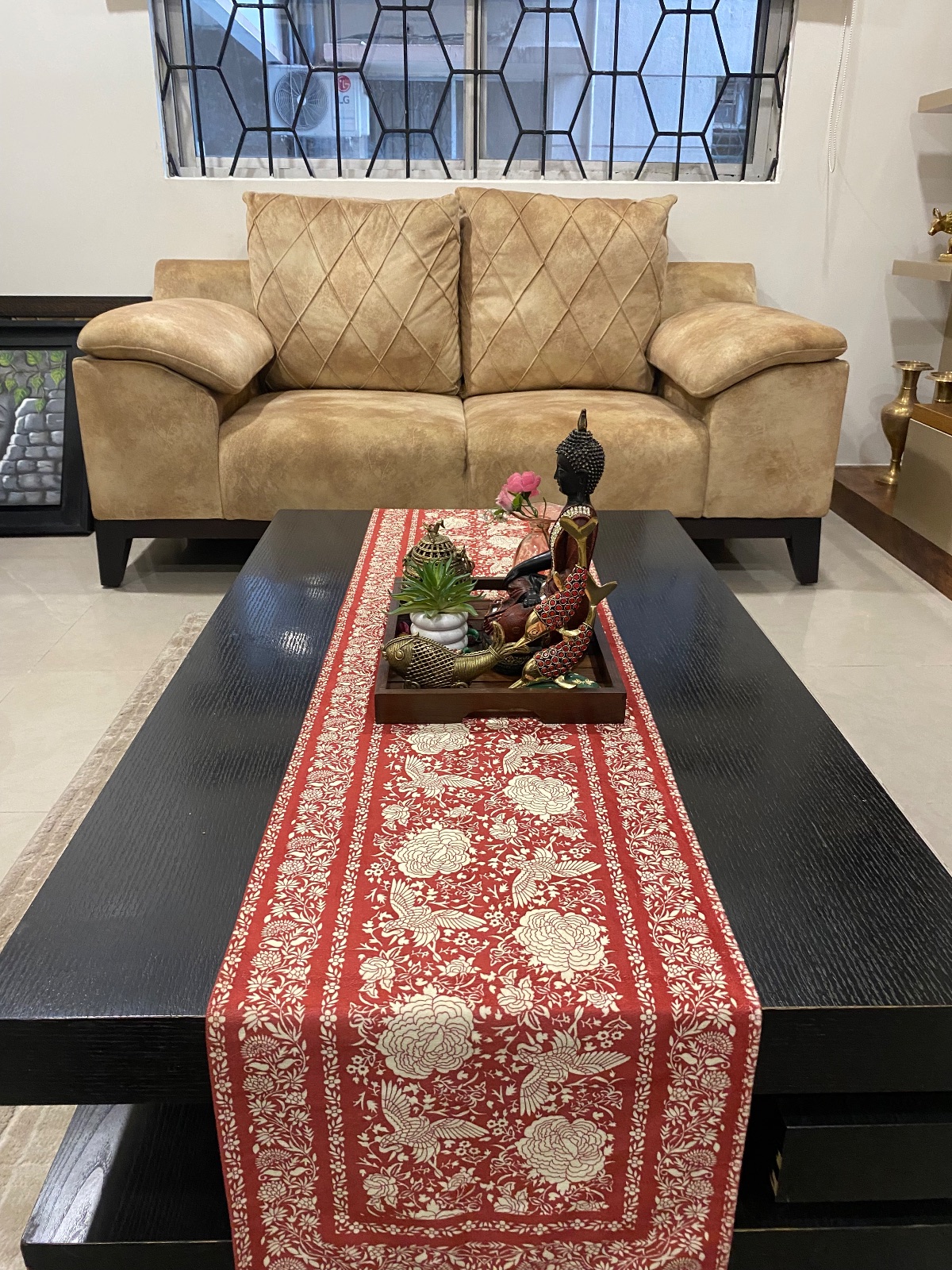
- Local classifieds (Olditems, OLX, Quikr). You post photos and a price, buyers contact you, and you sell face to face. Usually the best return for anything that still works — furniture, phones, laptops, appliances, cycles, books. It takes a little time and some messages to answer.
- Facebook Marketplace and society groups. Good for reaching neighbours, and buyers in your own society can collect easily. Your profile is visible, and reach depends on the groups you are in.
- Exchange offers. Retailers and online stores often take an old phone, TV or appliance against a new one. Convenient, but the exchange value is usually below what a private buyer would pay.
- Brand buyback and instant phone-buying services. Fast and fixed, with pickup in many cities, but the price is set by their grading and is typically lower than a direct sale.
- Second hand dealers and refurbishers. They pay on the spot and collect, but they need margin to resell, so offers are lower.
- Kabadiwala or scrap dealer. Pays by weight for metal, paper and plastic. Right for broken items, not for working ones.
- Donation. NGOs, shelters and donation drives take clothes, books, toys and usable furniture. The best choice when resale value is low but the item is still useful.
How to price a used item
Ignore what you paid. Look at what similar used items are listed for today, check the price of a comparable new one, and adjust for age, condition and whether you have the bill, box and accessories. Price slightly above the figure you would accept so there is room to negotiate. Our furniture price calculator helps for furniture.
Getting a quick sale
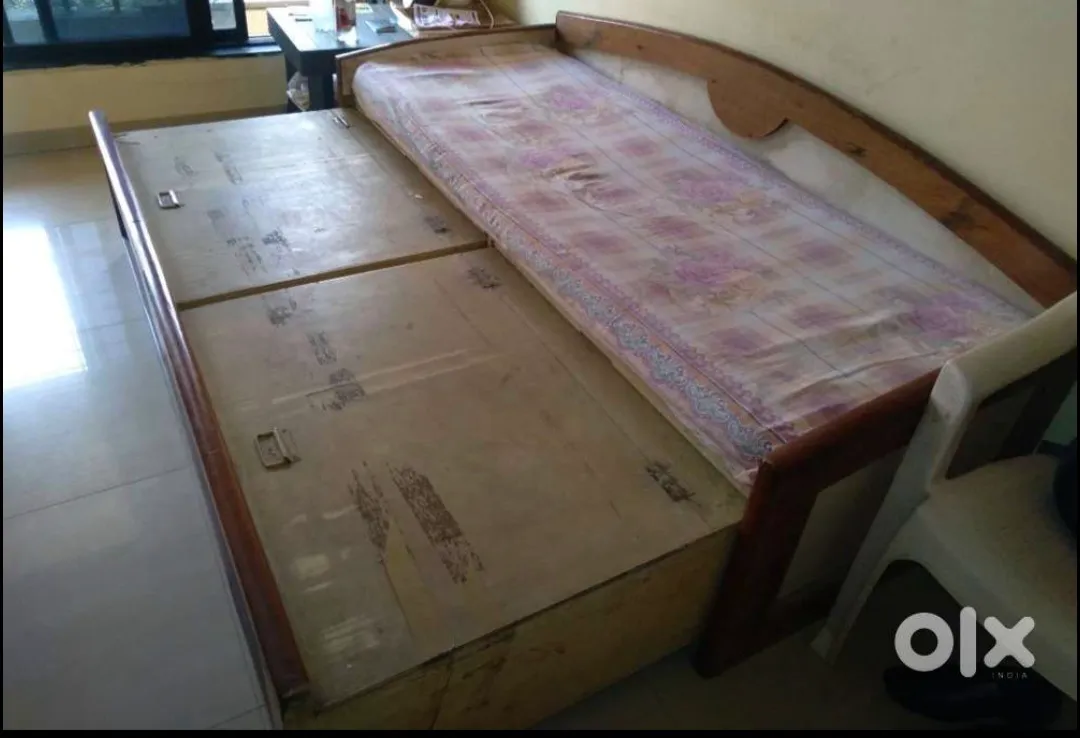
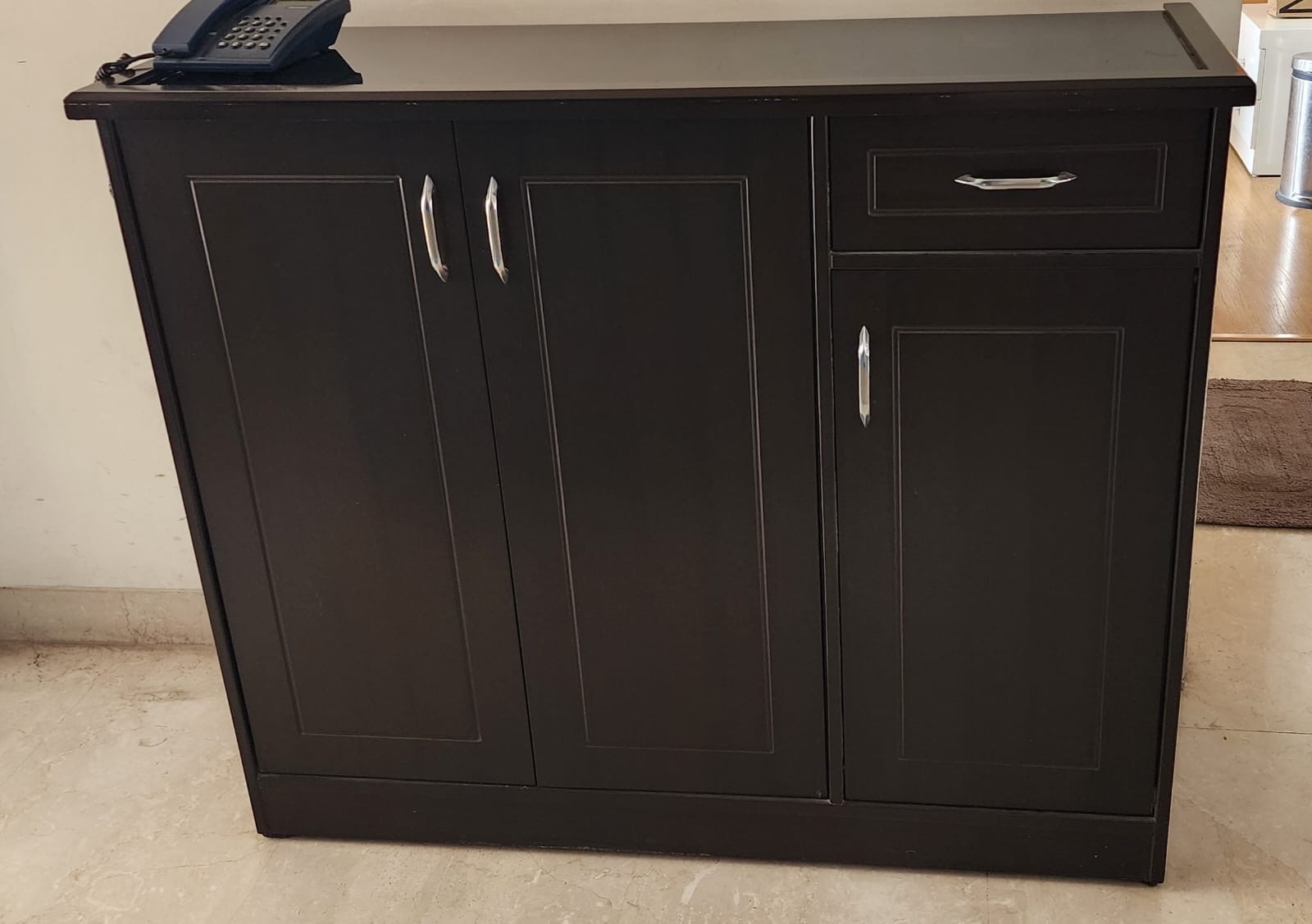
Clear daylight photos from several angles, honest mention of faults, measurements for furniture and the model number for electronics make the biggest difference. Name your area so nearby buyers find you.
Selling safely
Let buyers inspect at your home or a public place, take payment in full before handing over, and confirm that money has actually reached your account. A buyer never needs your OTP, and you never scan a QR code to receive money — that is how most payment scams work. See our safety tips.